Ah, the electric water kettle. For many of us, it’s more than just an appliance; it’s a trusty companion for those essential moments, from kickstarting our day with a steaming cup of coffee to brewing a comforting herbal tea before bed. In our fast-paced lives, an electric water kettle has become an indispensable kitchen workhorse, transforming the way we heat water with its speed, efficiency, and sheer convenience. Forget waiting for a stovetop kettle to whistle; with an electric water kettle, hot water is ready in a flash, simplifying everything from instant noodles to sterilizing baby bottles. But with so many options out there, how do you choose the right one, use it safely, and keep it in top-notch condition? As an expert with over a decade in the field, I’m here to spill the tea (pun intended!) on everything you need to know about the electric water kettle.
Discovering the World of Electric Water Kettles
Electric water kettles might all seem to do the same job—boiling water—but a closer look reveals a diverse world of designs, features, and functionalities. Understanding these differences is key to finding an electric water kettle that truly fits your lifestyle.
Types of Electric Kettles: Finding Your Perfect Match
When you’re searching for an electric water kettle, you’ll encounter a few main categories, each with its own charm and benefits:
- Standard Electric Kettles (Non-Variable): These are your classic “boil-and-go” models. You flick a switch, and the electric water kettle brings the water to a rolling boil, then usually shuts off automatically. They’re straightforward, often more affordable, and perfect if all you need is consistently boiling water.
- Variable Temperature Electric Kettles: For the true connoisseurs of tea and coffee, a variable temperature electric water kettle is a game-changer. These smart appliances allow you to select precise temperatures, ranging from warm for delicate green teas to just below boiling for pour-over coffee. This precision prevents “burning” delicate tea leaves or extracting bitterness from coffee, ensuring a perfectly optimized brew every time.
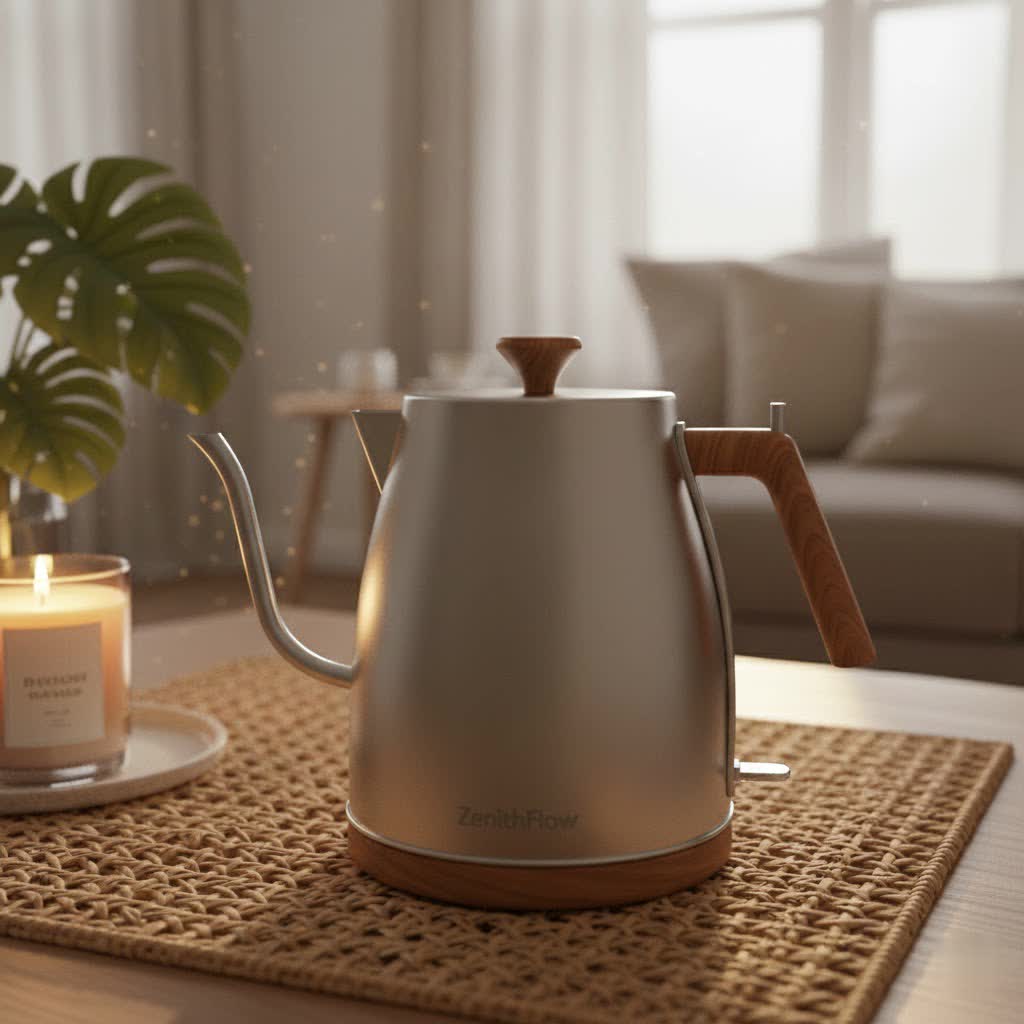
- Gooseneck Electric Kettles: Instantly recognizable by their long, slender spouts, gooseneck electric water kettles are a favorite among pour-over coffee enthusiasts. The unique spout design offers unparalleled control over the water flow, allowing for a slow, steady, and precise pour crucial for saturating coffee grounds evenly. Many gooseneck models also feature variable temperature control for maximum brewing accuracy.
Beyond functionality, the material of your electric water kettle also plays a significant role in its aesthetics, durability, and even your experience:
- Stainless Steel Electric Kettles: A popular choice for their durability, sleek appearance, and resistance to staining. Stainless steel models are robust and generally easy to clean. However, their exteriors can get quite hot to the touch, so always handle with care.
- Glass Electric Kettles: These kettles offer a modern, elegant look, allowing you to watch the mesmerizing dance of water coming to a boil. They’re typically made from borosilicate glass, which is resistant to thermal shock. While visually appealing, glass models can be more fragile and also get hot on the outside.
- Plastic Electric Kettles: Often the most budget-friendly and lightweight option, plastic electric water kettles are convenient for travel. Look for models made with BPA-free plastic to avoid any potential chemical leaching into your water. Their durability might not match that of stainless steel or glass over time.
|
Our Picks for the Best Electric Kettle in 2026
As an Amazon Associate I earn from qualifying purchases.
|
||
| Num | Product | Action |
|---|---|---|
| 1 | Cuisinart PerfecTemp 1.7-Liter Electric Kettle, Cordless Electric Tea Kettle, 1500W for Fast Heat-Up, 6 Preset Temperatures, 30-Minute Keep Warm, Stay Cool Nonslip Handle, CPK-17P1 |

|
| 2 | OVENTE Electric Kettle, 1.7L Fast Boiling Water Heater for Coffee or Tea, BPA Free with Water Level Gauge, Auto Shut-Off, Boil-Dry Protection, Indicator Light and Removable Filter, White KP72W |
|
| 3 | Cosori Electric Kettle, No Plastic Contact With Water, Wide Mouth For Easy Cleaning, Auto Shut Off, 1.7L Tea Kettle & Hot Water Boiler, Water Heater & Teapot, Borosilicate Glass, Black, 1500W |
|
| 4 | Amazon Basics Electric Kettle with Glass Carafe for Tea and Coffee, BPA-Free, Fast Boiling, Auto Shut-Off, 1 Liter, 1500W, Glass and Steel |
|
| 5 | Amazon Basics Electric Stainless Steel Kettle for Tea and Coffee, BPA-Free, Fast Boiling, Auto Shut-Off, 1.7 Liter, 1500W, Black and Silver |
|
| 6 | Longseed Ceramic Electric Kettle, 1.5 Liters/1200W Electric Tea Kettle, Heats Water Quickly, Automatic Shut - off, Boil - Dry Protection, Free Of BPA, Matte White |
|
| 7 | Chefman Electric Kettle, 1.8L 1500W, Hot Water Boiler, Removable Lid for Easy Cleaning, Auto Shut Off, Boil-Dry Protection, Stainless Steel Filter, BPA Free, Borosilicate Glass Electric Tea Kettle |
|
| 8 | Chefman Electric Kettle with Temperature Control, 5 Presets LED Indicator Lights, Removable Tea Infuser, Glass Tea Kettle & Hot Water Boiler, 360° Swivel Base, BPA Free, Stainless Steel, 1.8 Liters |
|
| 9 | Amazon Basics Electric Kettle with Glass Carafe for Tea and Coffee, BPA-Free, Fast Boiling, Auto Shut-Off, 1.7 Liter, 1500W, Black and Silver |
|
| 10 | LONGSEED Ceramic Electric Kettle, 1.2L/1000W Boil Water Quickly and Easily,Boil-Dry Protection,Auto Shut Off, Detachable Swivel Base,Hot water kettle for Coffee & Tea |
|
The Perks and Pitfalls: Pros and Cons of Electric Water Kettles
Like any appliance, the electric water kettle comes with its own set of advantages and a few considerations.
Pros:
- Speed: Electric kettles heat water significantly faster than stovetop methods, often boiling a full kettle in just a few minutes. This is a huge time-saver on busy mornings!
- Convenience: Simply fill, switch on, and wait. Many models are cordless, lifting off a 360-degree swivel base for easy pouring, whether you’re left-handed or right-handed.
- Safety Features: Modern electric water kettles are packed with safety features like automatic shut-off once the water boils and boil-dry protection, which turns the kettle off if there’s no water inside, preventing damage and potential hazards.
- Temperature Control: As mentioned, variable temperature models allow for precise heating, which is ideal for different teas and coffees, enhancing their flavor profiles.
- Energy Efficiency: Compared to heating water on a stovetop, an electric water kettle is often more energy-efficient because it heats a contained amount of water directly and quickly, minimizing heat loss.
Cons:
- Limescale Buildup: Especially in hard water areas, mineral deposits (limescale) can accumulate inside the electric water kettle, affecting its efficiency and potentially altering water taste. Regular descaling is essential.
- Countertop Space: While compact, some larger capacity electric water kettles can take up valuable counter space.
- Noise: Higher wattage kettles, while faster, can sometimes be louder during the boiling process.
- Durability (for some materials): Plastic kettles may not last as long as stainless steel, and glass kettles require more careful handling.
Choosing Your Ideal Electric Water Kettle: What to Look For
Selecting the perfect electric water kettle isn’t just about boiling water; it’s about enhancing your daily routine. Here’s a comprehensive guide to help you navigate the options:
Capacity and Size
How much hot water do you typically need? Electric water kettles come in various capacities, from small 0.5-liter travel kettles perfect for a single cup to large 1.8-liter models suitable for families or entertaining guests. Consider your household size and how frequently you’ll use it. A smaller kettle is more energy-efficient if you only need a cup or two, as it uses less energy to heat less water.
Power and Speed (Wattage)
The wattage indicates how quickly your electric water kettle can boil water. Kettles typically range from 1000 to 1800 watts. If you need hot water in a hurry, especially during hectic mornings, opt for a higher wattage model (e.g., 1500W or more). Be aware that higher wattage can sometimes mean a slightly louder operation.
Temperature Control & Presets
For those who enjoy a variety of hot beverages, variable temperature control is a must-have feature. Many models offer preset temperatures for common drinks like green tea (175°F/80°C), white tea (185°F/85°C), Oolong tea (195°F/90°C), coffee (200°F/93°C), and black tea/boiling (212°F/100°C). Some even include a “keep warm” function to maintain the desired temperature for an extended period.
Safety Features
Safety is paramount when dealing with boiling water. Look for an electric water kettle with:
- Automatic Shut-off: Turns the kettle off once water reaches boiling point or the selected temperature.
- Boil-Dry Protection: Prevents the heating element from activating when the kettle is empty, safeguarding the appliance and preventing fire hazards.
- Cool-Touch Exterior: Double-walled designs, particularly with stainless steel, can keep the exterior cooler, reducing the risk of accidental burns.
- Sturdy Handle: A well-designed, grippy handle ensures a secure and comfortable pour.
Material and Durability
Consider the pros and cons of stainless steel, glass, and plastic mentioned earlier. Stainless steel offers durability and heat retention, glass provides aesthetic appeal, and BPA-free plastic is lightweight and affordable. Choose the material that best aligns with your priorities for longevity, style, and ease of maintenance.
Design and Aesthetics
An electric water kettle often sits on your counter, so its design should complement your kitchen décor. From sleek modern styles to retro-inspired aesthetics, there’s a kettle for every taste. Features like LED illumination (often seen in glass kettles) can add a premium touch.
Corded vs. Cordless / Swivel Base
Most modern electric water kettles are cordless, meaning the kettle lifts off a separate power base. A 360-degree swivel base allows you to place the kettle on the base from any angle, making it convenient for both left and right-handed users.
Filters
Many electric kettles include a removable filter at the spout, often made of mesh, to trap any limescale particles and prevent them from ending up in your cup. These filters are usually easy to remove and clean.
Energy Efficiency Features
Beyond boiling only what you need, some electric water kettles are designed with energy efficiency in mind. Double-walled kettles, for instance, act like insulated mugs, keeping water hot for longer and reducing the need for reheating. Kettles with quick boil settings also contribute to energy savings by rapidly reaching temperature.
“Choosing the right electric water kettle is like selecting a car,” says Marcus Chen, a seasoned appliance engineer. “It needs to perform well, look good, and crucially, fit your daily journey. Prioritize features that genuinely enhance your experience, like precise temperature control for specific beverages or a double-walled design for energy savings.”
Master Your Electric Water Kettle: Safety Tips and Energy-Saving Habits
An electric water kettle is a powerful tool, and a few simple practices can ensure safe operation and help you save on your electricity bill.
Safety First:
- Inspect the Power Cord and Plug Regularly: Check for any signs of fraying, cuts, or damage. A damaged cord is an electrical hazard and should prompt immediate replacement of the kettle.
- Proper Placement: Always place your electric water kettle on a flat, stable, heat-resistant surface, away from the edge of the countertop where it could be knocked over. Ensure the spout is directed away from walls, cabinets, or anything that could be damaged by steam.
- Avoid Overfilling: Never fill the kettle beyond the maximum fill line indicated. Overfilling can cause boiling water to spill out, leading to burns or damage to the appliance.
- Never Boil Dry: While many modern kettles have boil-dry protection, it’s always best practice to ensure there’s enough water in the kettle before switching it on. Operating an empty kettle can damage the heating element and shorten its lifespan.
- Let it Cool: Always unplug the electric water kettle and allow it to cool down sufficiently before cleaning or moving it.
- Keep Out of Reach: If you have small children or pets, ensure the kettle is placed where it cannot be easily reached or pulled down, especially when hot.
Saving Energy:
- Boil Only What You Need: This is perhaps the simplest and most effective energy-saving tip. Heating a full kettle when you only need one cup wastes energy and time. Use the water level indicator to measure precisely.
- Consider Double-Walled Kettles: These insulated kettles retain heat more effectively, meaning the water stays hot longer, reducing the need to re-boil if you want another cup shortly after the first.
- Quick Boil Settings: Kettles with higher wattage or specific “rapid boil” features use energy more efficiently by heating water to temperature very quickly.
- Unplug When Not in Use: While the standby power consumption of an electric water kettle is minimal, unplugging it when not in use is a good habit for overall energy conservation.
Keeping Your Electric Water Kettle Pristine: Cleaning and Maintenance
Regular cleaning and maintenance are crucial to extend the life of your electric water kettle, maintain its efficiency, and ensure your water always tastes fresh. The biggest enemy is limescale, those white, chalky deposits caused by mineral buildup from hard water.
Regular Descaling:
Aim to descale your electric water kettle every 1-3 months, or more frequently if you live in a hard water area or use it daily.
- Vinegar Solution:
- Fill the electric water kettle with equal parts white vinegar and water, ensuring the heating element is covered.
- Let it sit for 30-60 minutes (or longer for heavy buildup).
- Boil the solution.
- Pour out the solution, rinse the kettle thoroughly with clean water, and then boil a fresh kettle of water to eliminate any lingering vinegar smell.
- Lemon Solution:
- Fill the kettle with water and add a few tablespoons of lemon juice (or a few slices of fresh lemon).
- Boil the solution and let it sit for 30 minutes.
- Discard, rinse well, and boil clean water afterward.
- Citric Acid Powder:
- Mix one to two teaspoons of citric acid powder with water in the kettle.
- Boil the solution and let it sit for 15-30 minutes.
- Rinse thoroughly. Citric acid is a highly effective descaler and leaves no odor.
- Commercial Descalers: Follow the instructions on commercially available descaling solutions specifically designed for electric kettles.
Daily Cleaning:
- Interior: After each use, empty any remaining water. If needed, wipe the interior with a clean, damp cloth. Avoid using harsh abrasives that could scratch the surface.
- Exterior: Wipe the exterior of your electric water kettle with a soft, damp cloth to remove fingerprints, water spots, and dust. For stainless steel, a microfiber cloth can keep it looking shiny.
- Spout Filter: If your kettle has a removable mesh filter, take it out periodically and rinse it under running water to clear any trapped particles.
Preventing Limescale Build-up:
- Empty After Use: Don’t leave water sitting in the electric water kettle when not in use. Emptying it helps prevent mineral deposits from settling.
- Use Filtered Water: If you have hard water, using filtered or distilled water can significantly reduce limescale accumulation.
- Store with Lid Slightly Open: Allowing the interior to air dry can also help prevent moisture-related buildup.
Checking Components:
Periodically inspect the lid and spout for any residue buildup that might affect the taste of your water. Ensure the power cord and base connection are clean and dry before each use.
Frequently Asked Questions About Electric Water Kettles
Q1: How often should I descale my electric kettle?
A1: The frequency depends on your water hardness and how often you use your electric water kettle. Generally, descaling every 1 to 3 months is recommended. In areas with very hard water or with daily heavy use, you might need to descale as often as once a month.
Q2: Are electric kettles energy-efficient?
A2: Yes, an electric water kettle is generally more energy-efficient than boiling water on a stovetop. This is because they directly heat a contained amount of water, minimizing heat loss. To maximize efficiency, only boil the amount of water you need.
Q3: What’s the best material for an electric kettle?
A3: The “best” material depends on your priorities. Stainless steel is known for durability and heat retention. Glass offers visual appeal but is more fragile. BPA-free plastic is lightweight and affordable. Each has its advantages, so choose based on your needs for longevity, aesthetics, and budget.
Q4: Can I boil milk in an electric kettle?
A4: While technically possible with some specialized models, it’s generally not recommended to boil milk or other liquids (like soup or coffee) in a standard electric water kettle. Milk can easily scorch, leaving a residue that’s difficult to clean and can damage the heating element. It can also cause the kettle to boil over.
Q5: What is boil-dry protection?
A5: Boil-dry protection is a crucial safety feature that automatically switches off the electric water kettle if it detects there’s no water inside or if the water level is too low. This prevents the heating element from overheating and potentially damaging the appliance or causing a fire.
Q6: How long do electric kettles typically last?
A6: With proper care and regular maintenance, a good quality electric water kettle can last anywhere from 2 to 5 years, or even longer. Factors like material quality, frequency of use, and whether you descale regularly significantly impact its lifespan.
The Perfect Brew Awaits: Conclusion
The electric water kettle truly is a marvel of modern kitchen convenience, offering speed, safety, and precision for all your hot water needs. From understanding the different types and their materials to making an informed choice based on capacity, wattage, and temperature control, you’re now equipped to find your perfect brewing partner. Remember those crucial safety tips and, importantly, embrace a routine of regular cleaning and descaling to keep your electric water kettle performing at its peak. By following these expert insights, you’ll not only enjoy countless cups of perfectly heated beverages but also ensure your electric water kettle remains a trusted, efficient, and long-lasting fixture in your kitchen. Here’s to smarter living and better brewing – an electric water kettle makes it all possible!
