Welcome to bppuc.com, your trusted hub for all things electric kettles! With over a decade of hands-on experience, I’ve seen these humble kitchen heroes evolve into sophisticated appliances, making our lives undeniably easier. An electric kettle isn’t just about boiling water anymore; it’s about speed, efficiency, and the perfect hot beverage experience right in your home. Let’s dive deep into the world of electric kettles and discover how to choose, use, and maintain yours for years of dependable service.
Types of Electric Kettles: Finding Your Perfect Match
Just like selecting the right tool for any job, choosing an electric kettle starts with understanding the variety available. Each type caters to different needs and aesthetic preferences. For see our electric kettles recommendations on this site.
What are the main types of electric kettles available today?
Electric kettles come in various forms, primarily categorized by their design, material, and functionality. Beyond the classic jug-style, you’ll find specialized models and different material compositions influencing both performance and style.
- Standard Jug Kettles: These are the most common type, ideal for everyday boiling for tea, coffee, or instant meals. They typically have a wide spout for quick pouring.
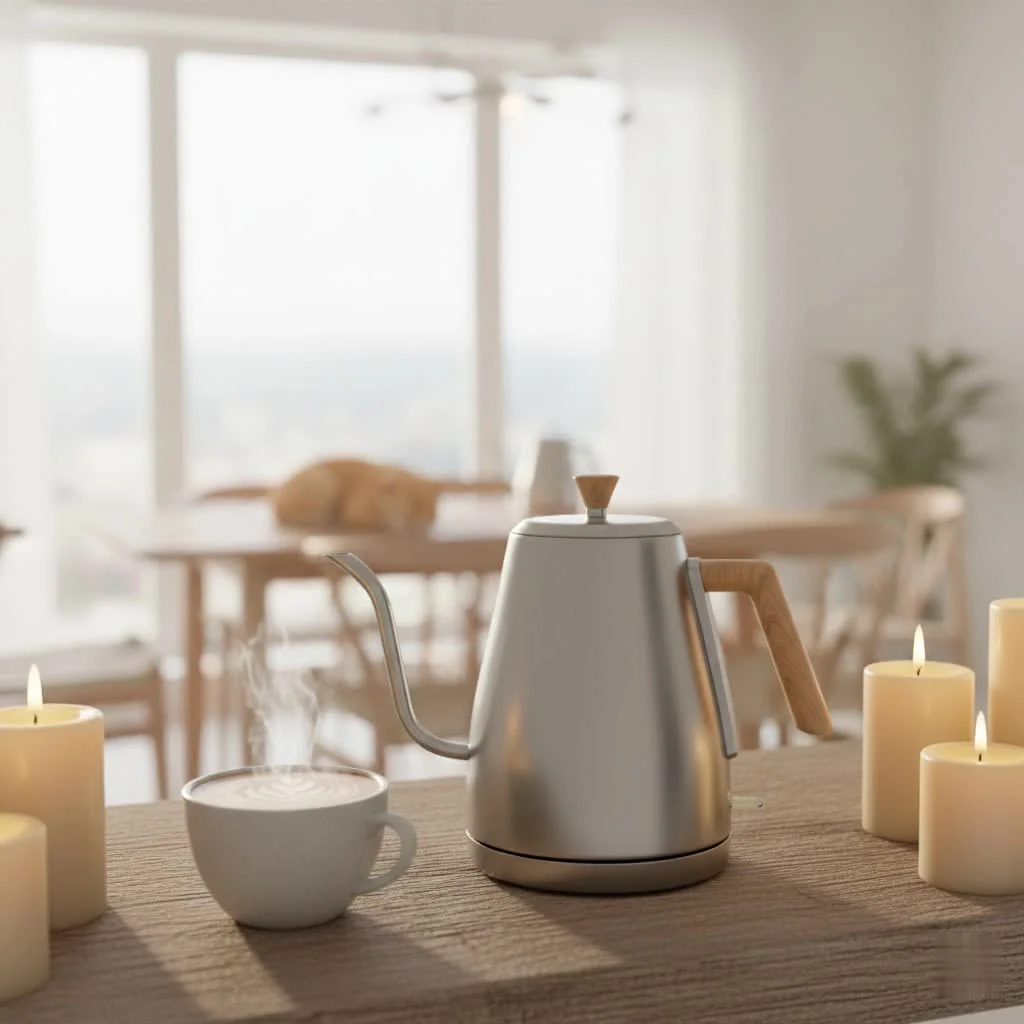
- Gooseneck Kettles: Recognized by their long, slender spout, gooseneck kettles are a favorite among pour-over coffee enthusiasts. The precise control over the water flow allows for an even saturation of coffee grounds, crucial for optimal brewing.
- Variable Temperature Kettles: These advanced kettles offer preset temperature settings, allowing you to heat water to the exact degree required for different teas (like green tea at 175°F or black tea at 205°F) or other beverages. This precision enhances flavor and prevents scalding delicate leaves.
- Non-Variable Kettles: Simpler in design, these kettles solely bring water to a rolling boil and then typically shut off automatically. They are straightforward and often more budget-friendly.
- Cordless Kettles: The vast majority of modern electric kettles are cordless, meaning the kettle detaches from a base that plugs into the wall. This offers exceptional portability and convenience, allowing you to pour freely without a trailing cord.
- Corded Kettles: While less common for everyday use, some specialized or travel kettles might still feature an attached cord.
How does the material of an electric kettle impact its performance and durability?
The material of your electric kettle plays a significant role in its durability, heat retention, and even aesthetic appeal.
- Stainless Steel Kettles: A timeless choice, stainless steel is renowned for its durability, resistance to rust, and ease of cleaning. They offer a sleek, modern look that fits most kitchens. However, they can get very hot to the touch during operation.
- Glass Kettles: If you appreciate the visual spectacle of water coming to a boil, a glass kettle is for you. Made from borosilicate glass, these kettles are elegant and allow you to easily monitor the water level. They also ensure no plastic taste transference. Handle with care, as glass can be fragile.
- Plastic Kettles: Often the most affordable and lightweight option, plastic kettles are portable and good for travel. When choosing a plastic kettle, always ensure it is BPA-free to avoid any chemical leaching into your hot water. Their durability can be less than stainless steel or glass over time.
- Double-Walled Kettles: These kettles feature an insulated design, often with a stainless steel interior and a cool-touch exterior. The double-wall construction helps maintain water temperature longer, enhancing energy efficiency and keeping the outside safe to touch.
Electric Kettles: The Pros and Cons
Every kitchen appliance has its strengths and weaknesses, and electric kettles are no exception. Understanding these can help you make an informed decision tailored to your lifestyle.
What are the main advantages of using an electric kettle?
|
Our Picks for the Best Electric Kettle in 2026
As an Amazon Associate I earn from qualifying purchases.
|
||
| Num | Product | Action |
|---|---|---|
| 1 | Cosori Electric Kettle, No Plastic Contact With Water, Wide Mouth For Easy Cleaning, Auto Shut Off, 1.7L Tea Kettle & Hot Water Boiler, Water Heater & Teapot, Borosilicate Glass, Black, 1500W |

|
| 2 | Cuisinart PerfecTemp 1.7-Liter Electric Kettle, Cordless Electric Tea Kettle, 1500W for Fast Heat-Up, 6 Preset Temperatures, 30-Minute Keep Warm, Stay Cool Nonslip Handle, CPK-17P1 |
|
| 3 | Amazon Basics Electric Kettle with Glass Carafe for Tea and Coffee, BPA-Free, Fast Boiling, Auto Shut-Off, 1 Liter, 1500W, Glass and Steel |
|
| 4 | Chefman Electric Kettle, 1.8L 1500W, Hot Water Boiler, Removable Lid for Easy Cleaning, Auto Shut Off, Boil-Dry Protection, Stainless Steel Filter, BPA Free, Borosilicate Glass Electric Tea Kettle |
|
| 5 | Amazon Basics Electric Kettle with Glass Carafe for Tea and Coffee, BPA-Free, Fast Boiling, Auto Shut-Off, 1.7 Liter, 1500W, Black and Silver |
|
| 6 | Longseed Ceramic Electric Kettle, 1.5 Liters/1200W Electric Tea Kettle, Heats Water Quickly, Automatic Shut - off, Boil - Dry Protection, Free Of BPA, Matte White |
|
| 7 | LONGSEED Ceramic Electric Kettle, 1.2L/1000W Boil Water Quickly and Easily,Boil-Dry Protection,Auto Shut Off, Detachable Swivel Base,Hot water kettle for Coffee & Tea |
|
| 8 | OVENTE Electric Kettle, 1.7L Fast Boiling Water Heater for Coffee or Tea, BPA Free with Water Level Gauge, Auto Shut-Off, Boil-Dry Protection, Indicator Light and Removable Filter, White KP72W |
|
| 9 | Chefman Electric Kettle with Temperature Control, 5 Presets LED Indicator Lights, Removable Tea Infuser, Glass Tea Kettle & Hot Water Boiler, 360° Swivel Base, BPA Free, Stainless Steel, 1.8 Liters |
|
| 10 | Amazon Basics Electric Stainless Steel Kettle for Tea and Coffee, BPA-Free, Fast Boiling, Auto Shut-Off, 1.7 Liter, 1500W, Black and Silver |
|
Electric kettles offer a significant upgrade from traditional stovetop methods, providing speed, convenience, and enhanced safety. They boil water much faster than a microwave or stovetop, making them perfect for busy mornings. Many models include automatic shut-off and boil-dry protection, which prevent overheating and potential hazards. Furthermore, electric kettles are generally more energy-efficient than stovetop kettles, as less heat escapes into the surrounding air during the boiling process. The portability of cordless designs also means you can easily move the kettle from the kitchen to your dining table or office desk.
Are there any downsides to owning an electric kettle?
While highly beneficial, electric kettles do have a few minor drawbacks. Advanced models with variable temperature control or premium materials can come with a higher initial price tag. Limescale buildup, particularly in hard water areas, can affect performance and taste over time, requiring regular cleaning. Some lower-quality plastic models might impart a slight plastic taste to the water, which is why opting for BPA-free plastic, glass, or stainless steel is often recommended. Also, higher wattage kettles, while faster, can be louder during operation.
How to Choose the Right Electric Kettle
Selecting the perfect electric kettle for your home is an exciting endeavor. With so many options, knowing what to look for can simplify your decision.
What should I consider when buying an electric kettle for my home?
When you’re ready to bring a new electric kettle into your kitchen, think about how you’ll use it every day. This will guide your choices in capacity, features, and material.
-
Assess Your Usage Needs: Are you a solo tea drinker, or do you frequently entertain guests? Do you need precise temperatures for delicate teas or just a quick boil for instant coffee?
- For pour-over coffee aficionados, a gooseneck kettle with variable temperature control is often the top choice for its precision pouring and temperature accuracy.
- If you’re making instant noodles, oatmeal, or a large pot of tea for a group, a larger capacity jug kettle will serve you better.
-
Capacity and Size: Electric kettles typically range from 0.5 liters to 1.8 liters or more.
- 0.5 – 1 Liter: Ideal for individuals, travel, or small households. These often boil water very quickly due to smaller volume.
- 1.5 – 1.7 Liters: The most common size, suitable for families of 2-4 or those who frequently make multiple servings.
- 1.8 Liters +: Best for larger families or frequent entertaining. Keep in mind that larger capacities may take slightly longer to boil.
-
Power and Efficiency (Wattage): This directly impacts how fast your water boils.
- Kettles with higher wattage (e.g., 1500W to 3000W) will boil water more quickly, which is fantastic for busy mornings. However, they might draw more power.
- Lower wattage options might take a bit longer but can be more energy-efficient for patient users.
-
Temperature Control and Settings: This feature is a game-changer for beverage connoisseurs.
- Variable temperature kettles allow you to select specific temperatures (e.g., 160°F for white tea, 175°F for green tea, 190°F for oolong, 200°F for French press, and 212°F for black tea/boil). Many also have a “keep warm” function to maintain the temperature for up to 30-60 minutes.
- If you only need boiling water, a non-variable kettle is simpler and perfectly adequate.
-
Material and Durability: Consider longevity and aesthetics.
- Stainless steel offers durability and a classic look.
- Glass provides elegance and visual appeal.
- BPA-free plastic is lightweight and often budget-friendly.
- Double-walled construction improves insulation and keeps the exterior cool to the touch.
-
Safety Features: These are non-negotiable for any electric appliance.
- Automatic shut-off: Turns off the kettle once water boils or reaches the set temperature, preventing overheating.
- Boil-dry protection: Automatically switches off the kettle if it’s turned on with insufficient or no water, protecting the heating element and preventing fire hazards.
- Sturdy handle and non-slip base are also important for safe handling.
-
Design and Aesthetics: Your kettle can be a statement piece.
- Look for a design that complements your kitchen decor.
- Features like illuminated water gauges make checking water levels easy, even in dim lighting.
- An ergonomic handle and a wide, easy-to-fill spout enhance user comfort and convenience.
-
Price and Warranty: Balance desired features with your budget.
- A higher price often correlates with more advanced features and premium materials.
- Always check the warranty offered by the manufacturer, as a longer warranty often indicates greater confidence in product quality.
“Choosing an electric kettle is like choosing a car; it needs to fit your journey. Prioritize safety, then features that genuinely enhance your daily hot water rituals.” – Dr. Evelyn Reed, Lead Product Engineer at Bppuc Innovations.
Safety Tips and Energy Saving for Your Electric Kettle
As an expert at bppuc.com, I always emphasize safe and efficient operation. An electric kettle is a powerful tool, and with a few simple habits, you can ensure it serves you safely and economically.
What are the most important safety precautions when using an electric kettle?
Safety should always be your top priority. Remember these crucial tips:
- Never Overfill: Always adhere to the maximum fill line inside your kettle. Overfilling can lead to boiling water splashing out, which is a burn hazard and can damage the appliance.
- Keep Out of Reach of Children: Hot water and steam can cause severe burns. Place your kettle on a stable surface away from the edge of countertops and out of children’s reach.
- Use on a Stable, Flat Surface: Ensure your kettle is always on a firm, level, heat-resistant surface to prevent accidental tipping and spills.
- Inspect the Power Cord: Regularly check the power cord for any signs of fraying, cuts, or damage. If damaged, discontinue use immediately and consider professional repair or replacement.
- Never Turn On an Empty Kettle: Activating an empty kettle can severely damage the heating element and pose a fire risk. Modern kettles often have boil-dry protection, but it’s best not to rely solely on this feature.
- Do Not Immerse the Base or Cord: The electrical components are in the base and cord. Never submerge these parts in water or any other liquid to avoid electric shock and permanent damage. Wipe the exterior with a damp cloth only.
- Allow to Cool Before Opening or Cleaning: Steam and hot water can cause burns. Always unplug the kettle and allow it to cool down completely before opening the lid for cleaning or refilling.
- Use Only Water: Electric kettles are designed specifically for boiling water. Avoid heating other liquids like milk, oil, or soup, as this can damage the appliance and create a safety hazard.
How can I make my electric kettle more energy-efficient?
Electric kettles are inherently efficient, but you can maximize their energy savings with these practices:
- Boil Only What You Need: Heating more water than necessary wastes energy. Use the water level indicator to fill just the right amount for your cup or task.
- Choose Double-Walled Kettles: If you’re buying new, double-walled kettles offer better insulation, keeping water hot longer and reducing the need for reheating.
- Utilize Quick Boil Settings: If your kettle has them, quick boil settings can reach boiling temperature rapidly, minimizing the appliance’s run time and energy consumption.
- Unplug When Not in Use: Though they draw minimal power when idle, unplugging the kettle after use eliminates standby energy consumption and reduces potential fire risks from power surges.
- Keep it Clean: Limescale buildup acts as an insulator, making the heating element work harder and consume more energy to boil water. Regular descaling improves efficiency.
Cleaning and Maintenance of Your Electric Kettle
Regular cleaning and maintenance are key to prolonging the life of your electric kettle, ensuring optimal performance, and preserving the pure taste of your hot beverages.
Why is it important to regularly clean my electric kettle?
Over time, natural minerals in tap water, primarily calcium and magnesium, can accumulate inside your kettle, forming a chalky residue known as limescale. This buildup not only affects the aesthetic appeal, especially in glass kettles, but also impacts performance by making the heating element less efficient and potentially altering the taste of your water. Regular descaling removes these deposits, ensuring your kettle heats water quickly and your drinks taste their best.
How often should I clean and descale my electric kettle?
For daily hygiene and to keep the exterior sparkling, wipe down your kettle’s outside at least once a week with a damp cloth. For the interior, I recommend descaling at least once a month if you use your kettle daily, or more frequently (every 2-3 weeks) if you live in an area with hard water, as hard water accelerates mineral buildup.
What are the best methods for cleaning and descaling an electric kettle?
You don’t need fancy chemicals to keep your kettle pristine; common household items work wonders!
-
Using White Vinegar (My Go-To Method):
- Step 1: Prepare the Solution. Fill your electric kettle with a mixture of 1 part white vinegar and 3 parts water. Ensure the solution doesn’t exceed the maximum fill line.
- Step 2: Boil and Stand. Bring the vinegar and water mixture to a boil. Once it boils, turn off the kettle and let the solution sit for at least 20-30 minutes, or even overnight for stubborn buildup.
- Step 3: Rinse Thoroughly. Discard the vinegar solution. Fill the kettle with fresh, clean water, bring it to a boil, and then drain. Repeat this process twice to completely remove any lingering vinegar odor or taste.
- Tip: Refer to your owner’s manual to ensure vinegar is safe for your specific kettle model.
-
Using Lemon Juice or Citric Acid:
- Step 1: Add Cleaning Agent. Pour 1 tablespoon of citric acid powder or the juice of one fresh lemon into your kettle.
- Step 2: Add Water and Heat. Fill the kettle with enough water to cover the base where scale is visible, or up to the max line, then bring it to a boil.
- Step 3: Discard and Rinse. Once the mixture has boiled, discard the water and rinse the kettle thoroughly with clean water. The natural acidity will break down minor deposits, and lemon leaves a pleasant scent.
-
Using Baking Soda:
- Step 1: Create a Mixture. Add 1-2 tablespoons of baking soda to your kettle, then fill it with water.
- Step 2: Boil and Cool. Bring the mixture to a boil, then turn off the kettle and let it sit for about 10-15 minutes.
- Step 3: Scrub and Rinse. Once cooled, gently scrub the inside of the kettle with a non-abrasive brush or sponge, focusing on any remaining residue. Rinse thoroughly with clean water.
How do I clean the exterior of my electric kettle?
For the outside of your kettle, a simple wipe-down is usually sufficient:
- Damp Cloth and Dish Soap: Dampen a soft cloth with warm water and a few drops of mild dish soap. Wipe down the exterior, taking care not to get water into the electrical components. Rinse the cloth and wipe again to remove soap residue, then dry with a soft cloth to prevent water spots.
- Polishing Stainless Steel: For stainless steel kettles, a dab of olive oil on a microfiber cloth can bring out a beautiful, lustrous shine. Rub gently in the direction of the grain.
Crucial Warning: Never immerse your entire electric kettle, especially the base with electrical connections, in water. This can cause severe damage and is extremely dangerous.
Frequently Asked Questions About Electric Kettles
Q1: How fast do electric kettles boil water compared to a stovetop?
A1: Electric kettles are significantly faster than stovetop kettles. A typical electric kettle can boil 1.5 liters of water in about 2-7 minutes, depending on its wattage, while a stovetop kettle can take 5-10 minutes or longer.
Q2: Is it safe to leave water in an electric kettle after boiling?
A2: While not strictly unsafe, it’s generally best to empty the kettle after each use. Leaving water in the kettle, especially in hard water areas, can lead to increased limescale buildup, affecting both the kettle’s efficiency and the taste of future brews.
Q3: Can I use an electric kettle to heat liquids other than water?
A3: No, electric kettles are designed exclusively for heating water. Using them for other liquids like milk, soup, or oil can damage the heating element, create hard-to-clean residue, and potentially pose a safety hazard.
Q4: What is “boil-dry protection” and why is it important?
A4: Boil-dry protection is a crucial safety feature that automatically switches off the electric kettle if it detects insufficient water or no water inside. This prevents the heating element from overheating and causing damage to the appliance or a fire risk.
Q5: Do electric kettles use a lot of electricity?
A5: Electric kettles are generally quite energy-efficient for the task of boiling water, especially compared to stovetop methods. They heat water directly and quickly, minimizing heat loss. To optimize energy usage, boil only the amount of water you need.
Q6: How do I remove a plastic taste from a new electric kettle?
A6: If your new electric kettle has a plastic taste, it’s often due to manufacturing residues. Boil a full kettle of water, discard it, and repeat this process 2-3 times. You can also try boiling a solution of water with lemon slices or a tablespoon of white vinegar to help neutralize any lingering odors or tastes, followed by several rinses with plain water.
Q7: Are glass electric kettles durable?
A7: Glass electric kettles are typically made from borosilicate glass, which is known for its thermal shock resistance and durability. While they are more fragile than stainless steel, with proper care, they can last for many years and provide an elegant, clear view of the boiling process.
Conclusion: Elevating Your Hot Water Experience
Electric kettles have undoubtedly revolutionized how we prepare hot beverages and instant meals, bringing unparalleled speed, safety, and convenience to our kitchens. From the rapid boil of a standard model to the precise temperature control of a variable kettle, there’s an electric kettle perfectly suited to every lifestyle and need.
By understanding the different types, considering essential features like material and safety mechanisms, and committing to simple cleaning routines, you’re not just buying an appliance; you’re investing in a daily ritual of comfort and efficiency. As your go-to experts at bppuc.com, we encourage you to confidently explore the world of electric kettles. Make an informed choice, use your kettle wisely, and enjoy perfectly heated water for every cup, every time. Share your electric kettle journey with us, and let’s keep the conversation brewing!
Get our weekly buyer guide
Practical specs, not advice. Unsubscribe anytime.