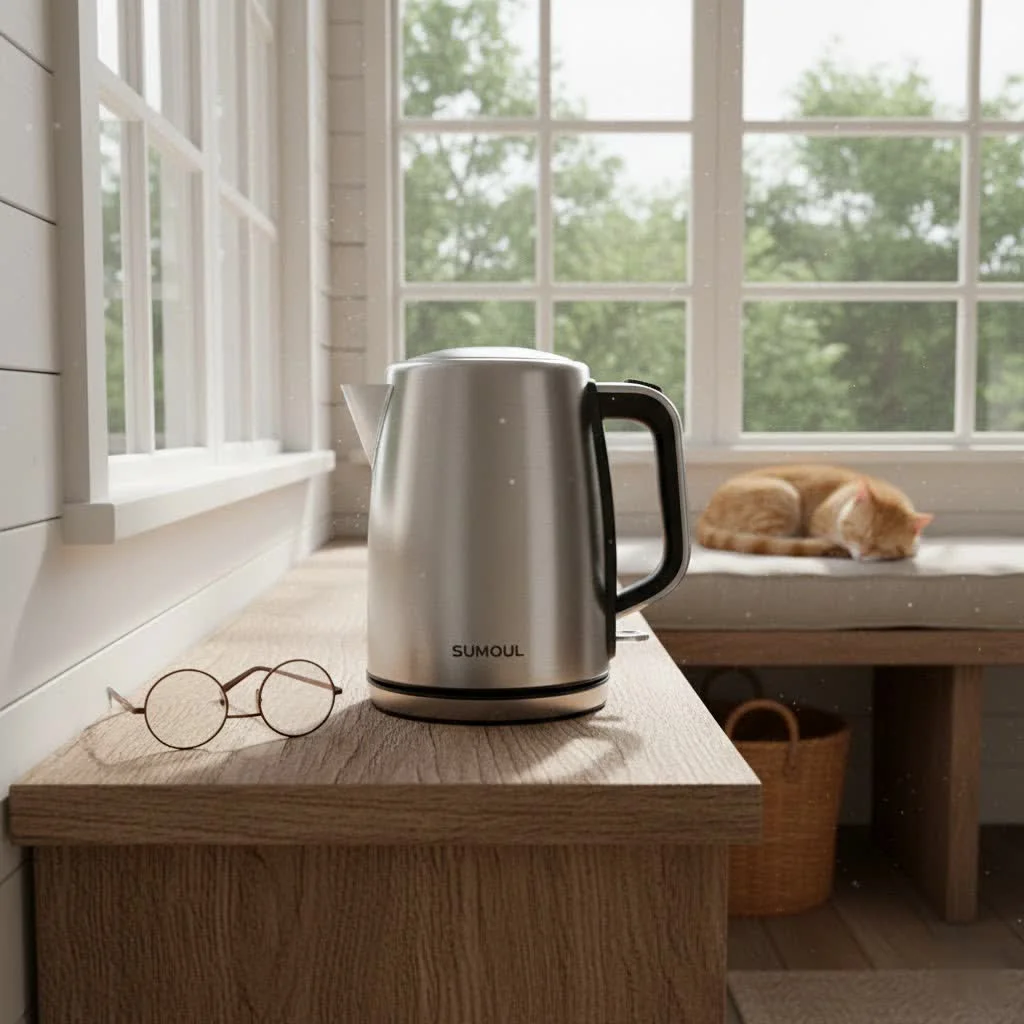
A white electric tea kettle combines timeless elegance with modern practicality, offering rapid boiling and enhanced safety features for hot beverages. These kettles are versatile, seamlessly blending into various kitchen designs while providing quick access to hot water for tea, coffee, or oatmeal. They typically boil water faster and more efficiently than stovetop kettles, often featuring automatic shut-off and boil-dry protection for safety.
The Allure of the White Electric Tea Kettle
Why has the white electric tea kettle captured the hearts of so many home enthusiasts? The answer lies in its unique ability to marry timeless elegance with modern practicality. White, a color often associated with cleanliness, purity, and simplicity, makes these kettles incredibly versatile. They seamlessly blend into minimalist designs, brighten up traditional spaces, and offer a striking contrast in bold, contemporary kitchens. It’s a color that never goes out of style, making your kettle a lasting fixture rather than a fleeting trend.
But the appeal isn’t just skin deep. Beyond its visual charm, a good white electric tea kettle offers unparalleled convenience. Imagine needing hot water for your morning tea, instant coffee, or even a quick bowl of oatmeal, and having it ready in minutes. These devices are designed for speed and efficiency, making them an indispensable companion for busy lifestyles. They eliminate the need for a stovetop, freeing up valuable burner space and providing a safer, more controlled boiling experience.
Types of White Electric Kettles: Finding Your Perfect Match
When diving into the world of white electric tea kettles, you’ll quickly discover a variety of options, primarily differentiated by their construction materials and specialized features. Each type offers a unique blend of aesthetics and functionality.
Material Matters: Glass, Stainless Steel, Ceramic, and Plastic
The material of your white electric tea kettle significantly impacts its durability, heat retention, and overall look.
- Glass Kettles: These are a feast for the eyes, allowing you to watch the mesmerizing dance of water coming to a boil. Often made with borosilicate glass, they are elegant and won’t impart any taste or odor to your water, ensuring a pure brew. However, they can be more fragile than their metal counterparts.
- Stainless Steel Kettles: Renowned for their durability and sleek, modern finish, white stainless steel kettles are excellent heat conductors, boiling water quickly. While sturdy, their exteriors can become quite hot during operation, so look for cool-touch features.
- Ceramic Kettles: If you crave a more classic, rustic, or even artistic touch, a white ceramic electric tea kettle is a beautiful choice. They retain heat exceptionally well, keeping your water warmer for longer. Be mindful that ceramic kettles are generally heavier and require more careful handling to prevent chipping or breaking.
- Plastic Kettles: Often the most lightweight and budget-friendly option, white plastic kettles come in various styles. When choosing a plastic model, always prioritize those made from BPA-free materials to ensure your water remains free from harmful chemicals.
Design and Features: Beyond Basic Boiling
|
Our Picks for the Best Electric Kettle in 2026
As an Amazon Associate I earn from qualifying purchases.
|
||
| Num | Product | Action |
|---|---|---|
| 1 | Chefman Electric Kettle, 1.8L 1500W, Hot Water Boiler, Removable Lid for Easy Cleaning, Auto Shut Off, Boil-Dry Protection, Stainless Steel Filter, BPA Free, Borosilicate Glass Electric Tea Kettle |

|
| 2 | Amazon Basics Electric Stainless Steel Kettle for Tea and Coffee, BPA-Free, Fast Boiling, Auto Shut-Off, 1.7 Liter, 1500W, Black and Silver |
|
| 3 | Cuisinart PerfecTemp 1.7-Liter Electric Kettle, Cordless Electric Tea Kettle, 1500W for Fast Heat-Up, 6 Preset Temperatures, 30-Minute Keep Warm, Stay Cool Nonslip Handle, CPK-17P1 |
|
| 4 | LONGSEED Ceramic Electric Kettle, 1.2L/1000W Boil Water Quickly and Easily,Boil-Dry Protection,Auto Shut Off, Detachable Swivel Base,Hot water kettle for Coffee & Tea |
|
| 5 | Amazon Basics Electric Kettle with Glass Carafe for Tea and Coffee, BPA-Free, Fast Boiling, Auto Shut-Off, 1.7 Liter, 1500W, Black and Silver |
|
| 6 | Chefman Electric Kettle with Temperature Control, 5 Presets LED Indicator Lights, Removable Tea Infuser, Glass Tea Kettle & Hot Water Boiler, 360° Swivel Base, BPA Free, Stainless Steel, 1.8 Liters |
|
| 7 | Cosori Electric Kettle, No Plastic Contact With Water, Wide Mouth For Easy Cleaning, Auto Shut Off, 1.7L Tea Kettle & Hot Water Boiler, Water Heater & Teapot, Borosilicate Glass, Black, 1500W |
|
| 8 | Amazon Basics Electric Kettle with Glass Carafe for Tea and Coffee, BPA-Free, Fast Boiling, Auto Shut-Off, 1 Liter, 1500W, Glass and Steel |
|
| 9 | Longseed Ceramic Electric Kettle, 1.5 Liters/1200W Electric Tea Kettle, Heats Water Quickly, Automatic Shut - off, Boil - Dry Protection, Free Of BPA, Matte White |
|
| 10 | OVENTE Electric Kettle, 1.7L Fast Boiling Water Heater for Coffee or Tea, BPA Free with Water Level Gauge, Auto Shut-Off, Boil-Dry Protection, Indicator Light and Removable Filter, White KP72W |
|
Beyond materials, the design and special features can truly improve your experience with a white electric tea kettle.
- Gooseneck vs. Traditional Spout: For pour-over coffee aficionados and delicate tea brewers, a gooseneck spout offers precise control over water flow, which is crucial for even saturation. Traditional spouts are excellent for general use and faster pouring.
- Capacity: Electric kettles typically range from 1.0 liters (perfect for individuals or small households) to 1.7 liters or more (ideal for families or entertaining). Consider your typical usage to choose the most energy-efficient size.
- Cordless Design: Most modern electric kettles feature a cordless jug that lifts easily from a 360-degree swivel base, making pouring and serving incredibly convenient.
White Electric Tea Kettle: Pros and Cons
Like any appliance, the white electric tea kettle comes with its own set of advantages and considerations.
The Upsides: Speed, Convenience, and Style
The benefits of owning a white electric tea kettle are numerous, making it a compelling addition to any kitchen.
- Rapid Boiling: Electric kettles are designed for speed, often boiling water faster than a stovetop kettle or even a microwave. This saves precious time during busy mornings or when you need hot water in a hurry.
- Energy Efficiency: Compared to heating water on a gas stove, electric kettles are generally more energy-efficient, especially when you only boil the amount of water you need. Their contained heating elements minimize heat loss.
- Enhanced Safety Features: Most modern electric kettles come equipped with automatic shut-off (which turns off the kettle once water boils or is empty) and boil-dry protection (which prevents the heating element from overheating if there’s no water inside). These features provide peace of mind and prevent accidents.
- Aesthetic Integration: The crisp, clean look of a white electric tea kettle adds a touch of brightness and sophistication to any kitchen decor, complementing various styles from modern minimalist to cozy farmhouse.
What to Consider: Potential Downsides
While highly beneficial, there are a few points to .
- Counter Space: Even compact models require some dedicated counter space, which can be a consideration in smaller kitchens.
- Cleaning Frequency: While the white exterior is beautiful, it might show smudges or splashes more readily than darker colors, requiring more frequent exterior wiping to maintain its pristine look. Limescale buildup, though invisible from the outside, still needs regular internal cleaning.
- Initial Cost: Kettles with advanced features like variable temperature control or smart connectivity might have a higher upfront cost compared to basic boil-only models.
How to Choose the Right White Electric Tea Kettle
Choosing the perfect white electric tea kettle involves balancing your daily habits with desirable features and your aesthetic preferences.
Essential Features for Optimal Brewing
To truly enhance your hot beverage experience, consider these key features:
- Temperature Control: This is a major upgrade for tea lovers. Different teas (like delicate white tea, which prefers 160-185°F, or green tea) require specific water temperatures to prevent bitterness and extract optimal flavor. An electric kettle with preset temperature settings or a precise dial allows you to achieve this effortlessly. “For truly exceptional tea, precise temperature control is non-negotiable,” advises Sophia Chen, our lead appliance specialist at bppuc.com. “It unlocks the full spectrum of flavors in your favorite leaves, especially white teas.”
- Keep-Warm Function: Ideal for those who enjoy multiple cups or need hot water over an extended period. This feature maintains the desired temperature for a set duration, typically 30-60 minutes, saving you from re-boiling.
- Water Level Indicator: A clear window or external gauge helps you accurately measure the water, preventing overfilling and ensuring you only heat what you need, which saves energy.
- Wattage: Higher wattage (e.g., 1500W to 3000W) means faster boiling times. If speed is a priority, look for a “rapid boil” kettle.
What’s Your Tea Style? Matching Kettle to Brew
Your preferred hot drinks should guide your kettle choice. For instance, white tea, known for its delicate flavor, benefits greatly from water heated to specific lower temperatures (around 170-185°F). A gooseneck kettle can also be advantageous for a slow, controlled pour, preventing scalding of these fragile leaves. For black tea or herbal infusions, boiling water (212°F) is usually best, and a high-wattage kettle will get you there quickly.
Safety Tips and Energy-Saving Habits for Your White Electric Tea Kettle
As a daily-use appliance, understanding how to use your white electric tea kettle safely and efficiently is paramount.
Prioritizing Safety in the Kitchen
Safety features are built into modern electric kettles for a reason—use them!
- Always Check Auto Shut-Off and Boil-Dry Protection: Ensure your kettle has these essential safety mechanisms. They prevent overheating and potential hazards.
- Utilize Cool-Touch Handles: Especially with stainless steel models, handles that remain cool to the touch are crucial to prevent accidental burns.
- Ensure a Secure Lid: A tight-fitting lid prevents hot water splashes and maintains heat efficiently.
- Placement is Key: Always place your kettle on a flat, stable, heat-resistant surface away from the edge of the counter and out of reach of children. Never submerge the electrical base in water.
Boosting Efficiency and Saving Power
Small habits can lead to significant energy savings.
- Boil Only What You Need: This is perhaps the most crucial tip. Heating excess water wastes energy and time. Use your water level indicator to fill just what’s necessary for your cup or pot.
- Regular Descaling: Limescale buildup forces your kettle to work harder and consume more energy to heat water. Regular descaling keeps it running efficiently.
- Minimize “Keep Warm” Use: While convenient, prolonged use of the “keep warm” function consumes electricity. If you need hot water over an extended period, consider pouring it into an insulated thermal flask instead.
- Unplug When Not in Use: Even when turned off, some appliances draw a small amount of “phantom” power. Unplugging your kettle when not in use ensures no energy is wasted.
Cleaning and Maintenance for a Pristine White Electric Tea Kettle
Maintaining your white electric tea kettle isn’t just about keeping it sparkling; it’s about preserving its performance and extending its lifespan. Hard water, common in many areas, leaves mineral deposits (limescale) that can affect taste and efficiency.
Descaling for Longevity and Taste
Aim to descale your kettle at least once a month, or more frequently if you live in a hard water area or use your kettle daily.
- Vinegar Method: This is a classic and effective approach.
- Fill your kettle with a 50/50 mixture of distilled white vinegar and water.
- Bring the mixture to a boil.
- Turn off the kettle and let the solution sit for 30 minutes to an hour, or even overnight for stubborn buildup.
- Discard the solution, then rinse the kettle thoroughly several times with fresh water to eliminate any lingering vinegar smell or taste.
- Lemon Juice or Citric Acid: For a fresher scent, you can substitute vinegar with lemon juice (mix 1/2 cup lemon juice with water) or citric acid powder (1-2 tablespoons per half-filled kettle of water). Boil, soak, and rinse as with the vinegar method.
- Baking Soda: For lighter deposits, add 1-2 tablespoons of baking soda to a half-filled kettle, boil, let sit for 20 minutes, then rinse well.
Keeping the Exterior Sparkle
The white exterior, while beautiful, requires gentle care.
- Regular Wiping: Use a soft, damp cloth with a mild dish soap solution to wipe down the exterior, base, and lid. This removes fingerprints, splashes, and minor grime.
- Avoid Abrasives: Never use abrasive cleaners, scouring pads, or harsh chemicals, as these can scratch or damage the white finish.
- Dry Thoroughly: After cleaning, wipe the exterior dry with a clean microfiber cloth to prevent water spots and streaks.
Frequently Asked Questions About White Electric Tea Kettles
Q: Are white electric kettles harder to keep clean?
A: The white exterior might show smudges, splashes, or stains more visibly than darker colors, meaning you might wipe it down more frequently. However, cleaning the exterior is simple with a damp cloth and mild soap. Internal cleaning (descaling) is the same for all kettle colors and is crucial for hygiene and performance.
Q: Can I boil other liquids besides water in my electric kettle?
A: It is strongly advised to only boil water in your electric kettle. Boiling other liquids like milk, soup, or coffee can damage the heating element, leave residues that are difficult to clean, and potentially create a fire hazard.
Q: How long do electric kettles typically last?
A: With proper care and regular descaling, a good quality electric kettle can last anywhere from 2 to 5 years, or even longer. Factors like frequency of use, water hardness, and original build quality play a significant role.
Q: What’s the ideal temperature for brewing white tea?
A: White tea is best brewed with water between 160°F (70°C) and 185°F (85°C). Using boiling water can scorch the delicate leaves and result in a bitter taste. A white electric tea kettle with temperature control is perfect for this.
Q: Do higher wattage kettles use more energy?
A: Not necessarily. Higher wattage kettles heat water faster, which means they are on for a shorter duration. While they draw more power per minute, the overall energy consumed to boil a specific amount of water can actually be less than a lower-wattage kettle that takes much longer. The most important energy-saving tip is always to boil only the amount of water you need.
Conclusion
Choosing a white electric tea kettle is a fantastic way to combine timeless style with modern convenience and efficiency in your kitchen. From its elegant aesthetic appeal to its rapid boiling capabilities and crucial safety features, the right model can truly enhance your daily routines. By understanding the different types, considering essential features like temperature control, and adopting smart maintenance habits, you’ll be well-equipped to select an appliance that not only looks stunning but also performs flawlessly for years to come. So go ahead, find your perfect white electric tea kettle, and enjoy the perfect cup every single time. We at bppuc.com encourage you to share your experiences and tips with our community!
Frequently Asked Questions
Are white electric kettles harder to keep clean than other colors?
The white exterior of an electric kettle may show smudges and splashes more visibly than darker colors, requiring more frequent wiping. However, cleaning the exterior is straightforward with a damp cloth and mild soap. Internal descaling is essential for all kettle colors to maintain hygiene and performance.
Can I boil liquids other than water in my electric kettle?
It is strongly advised to only boil water in your electric kettle. Boiling other liquids like milk or soup can damage the heating element, leave difficult-to-clean residues, and potentially create a fire hazard. Stick to water for optimal safety and longevity of your appliance.
What is the typical lifespan of an electric kettle?
With proper care and regular descaling, a good quality electric kettle can last anywhere from 2 to 5 years, or even longer. Factors such as frequency of use, water hardness in your area, and the original build quality significantly influence its lifespan.
What is the ideal water temperature for brewing white tea?
White tea is best brewed with water between 160u00b0F (70u00b0C) and 185u00b0F (85u00b0C) to prevent scorching its delicate leaves and avoiding a bitter taste. An electric tea kettle with precise temperature control is highly recommended for achieving this optimal brewing temperature.
Do higher wattage electric kettles consume more energy?
Not necessarily. Higher wattage kettles, such as those between 1500W and 3000W, heat water faster, meaning they operate for a shorter duration. While they draw more power per minute, the overall energy consumed to boil a specific amount of water can be less than a lower-wattage kettle that takes longer. The most effective energy-saving tip is to boil only the amount of water you need.
How to Clean and Maintain Your White Electric Tea Kettle
Regular cleaning and descaling are crucial for preserving the performance and extending the lifespan of your white electric tea kettle, especially in hard water areas.
Fill your kettle with a 50/50 mixture of distilled white vinegar and water. Bring the mixture to a boil, then turn off the kettle and let the solution sit for 30 minutes to an hour, or overnight for stubborn buildup. Discard the solution and rinse thoroughly several times with fresh water to remove any lingering vinegar smell.
For a fresher scent, substitute vinegar with 1/2 cup lemon juice mixed with water, or 1-2 tablespoons of citric acid powder per half-filled kettle. Boil, soak, and rinse using the same method as with vinegar. This alternative is effective for descaling and leaves a pleasant aroma.
Use a soft, damp cloth with a mild dish soap solution to wipe down the exterior, base, and lid of your kettle. This removes fingerprints, splashes, and minor grime, helping to maintain its pristine white finish. Avoid abrasive cleaners or harsh chemicals that can damage the surface.
After cleaning the exterior, always wipe it dry with a clean microfiber cloth. This prevents water spots and streaks, ensuring your white electric tea kettle looks sparkling and well-maintained. Proper drying also helps prevent moisture buildup.
Get our weekly buyer guide
Practical specs, not advice. Unsubscribe anytime.
I was hesitant about switching from my old stainless steel kettle, but the emphasis on how a white kettle blends into various kitchen designs really sold me. It truly does look fantastic in my minimalist kitchen. The boil-dry protection gives me peace of mind too, especially since I sometimes forget things when I’m rushing.
This guide helped me pick out a great white electric kettle. I was specifically looking for something with good safety features like automatic shut-off, and the one I got delivers. It’s super convenient for my pour-over coffee. My only minor gripe is that the cord is a little shorter than I’d prefer, but it’s not a deal-breaker.
I bought a white electric kettle based on the recommendations for its aesthetic appeal and efficiency. It does look nice and boils water quickly, which is great for my oatmeal in the mornings. However, I’ve noticed the exterior gets quite hot to the touch, which makes me a bit nervous when I’m reaching for it. It’s a decent kettle, but that’s a definite drawback.
I finally upgraded to a white electric tea kettle after years of using a stovetop one, and wow, what a difference! The rapid boiling feature mentioned in the guide is no joke; my morning tea is ready in a fraction of the time. Plus, it looks so sleek and clean on my counter, really brightens up the kitchen.