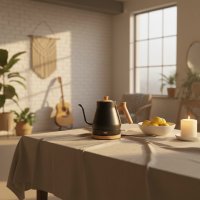
In the bustling world of modern kitchens, few appliances blend convenience, efficiency, and sheer speed quite like the electric water heater kettle. More than just a simple device for boiling water, today’s electric kettles have evolved into sophisticated tools, offering precise temperature control and advanced safety features that make them indispensable for any beverage enthusiast or busy individual. As long-time content creators for Bppuc.com, with over a decade immersed in the intricacies of electric kettles, we’re here to share our deep expertise, guiding you through every facet of choosing, using, and maintaining this essential kitchen companion. Get ready to transform your daily hot drink ritual and unlock the full potential of your electric kettle.
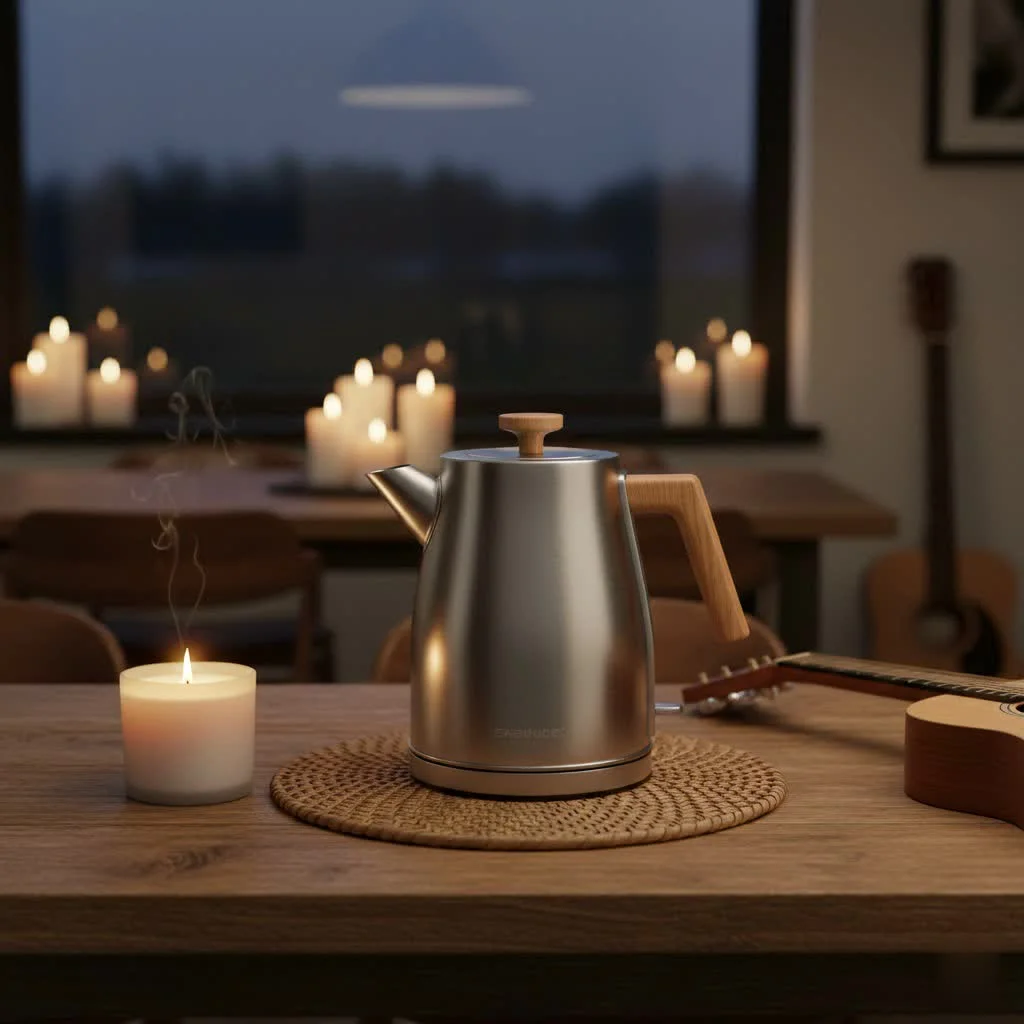
Types of Electric Kettles: Finding Your Perfect Match
When it comes to selecting an electric water heater kettle, the variety can be surprising. Understanding the different types available is the first step towards finding the one that perfectly suits your lifestyle and needs.
What are the main types of electric water heater kettles available today?
Modern electric kettles primarily fall into categories based on their design and the materials they’re made from, each offering distinct advantages.
Standard Jug Kettles: These are the most common type, characterized by their classic pitcher-like shape and often a wide spout. They are designed for quick, general-purpose water boiling and are excellent for everyday tasks like making tea, instant coffee, or preparing hot water for cooking. Their capacities typically range from 1.5 to 2 liters, making them suitable for families or individuals who need larger quantities of hot water.
Gooseneck Kettles: A favorite among pour-over coffee aficionados and tea connoisseurs, gooseneck kettles feature a long, slender, curved spout. This design allows for exceptional control over the water flow, enabling a slow and precise pour crucial for extracting the best flavors from delicate teas and pour-over coffee. While they often have smaller capacities, usually between 0.8 to 1.2 liters, their specialized design makes them invaluable for crafting artisanal beverages.
Material Focus: The material of your electric water heater kettle significantly impacts its durability, aesthetics, and even the taste of your water.
- Stainless Steel Electric Kettles: Renowned for their robustness and sleek appearance, stainless steel kettles are a popular choice. They are highly durable, resistant to rust, and generally considered the safest material for boiling water, as they do not leach any flavors or chemicals into your drink. Many models feature double-wall insulation to keep water hot longer and exteriors cool to the touch.
- Glass Electric Kettles: Offering a captivating visual experience, glass kettles allow you to watch the water come to a rolling boil. They often feature elegant designs and LED illumination that changes color with temperature, adding a touch of modern flair to your kitchen. Borosilicate glass is typically used for its thermal shock resistance. While beautiful, they can be more fragile than stainless steel and may show water marks or fogging more readily.
- Plastic Electric Kettles: Often the most budget-friendly option, plastic kettles are lightweight and can be very durable. When choosing a plastic electric water heater kettle, it’s crucial to ensure it is BPA-free to avoid any potential health concerns or taste transfer to your water. They are generally good for basic boiling but might lack some of the advanced features found in higher-end models.
The Edge of Electric: Pros and Cons
Choosing an electric water heater kettle over traditional stovetop methods comes with a host of benefits, but like any appliance, there are a few considerations to keep in mind.
Why should I choose an electric kettle over a stovetop one?
|
Our Picks for the Best Electric Kettle in 2026
As an Amazon Associate I earn from qualifying purchases.
|
||
| Num | Product | Action |
|---|---|---|
| 1 | LONGSEED Ceramic Electric Kettle, 1.2L/1000W Boil Water Quickly and Easily,Boil-Dry Protection,Auto Shut Off, Detachable Swivel Base,Hot water kettle for Coffee & Tea |

|
| 2 | Amazon Basics Electric Kettle with Glass Carafe for Tea and Coffee, BPA-Free, Fast Boiling, Auto Shut-Off, 1.7 Liter, 1500W, Black and Silver |
|
| 3 | Amazon Basics Electric Stainless Steel Kettle for Tea and Coffee, BPA-Free, Fast Boiling, Auto Shut-Off, 1.7 Liter, 1500W, Black and Silver |
|
| 4 | Amazon Basics Electric Kettle with Glass Carafe for Tea and Coffee, BPA-Free, Fast Boiling, Auto Shut-Off, 1 Liter, 1500W, Glass and Steel |
|
| 5 | Cuisinart PerfecTemp 1.7-Liter Electric Kettle, Cordless Electric Tea Kettle, 1500W for Fast Heat-Up, 6 Preset Temperatures, 30-Minute Keep Warm, Stay Cool Nonslip Handle, CPK-17P1 |
|
| 6 | OVENTE Electric Kettle, 1.7L Fast Boiling Water Heater for Coffee or Tea, BPA Free with Water Level Gauge, Auto Shut-Off, Boil-Dry Protection, Indicator Light and Removable Filter, White KP72W |
|
| 7 | Longseed Ceramic Electric Kettle, 1.5 Liters/1200W Electric Tea Kettle, Heats Water Quickly, Automatic Shut - off, Boil - Dry Protection, Free Of BPA, Matte White |
|
| 8 | Chefman Electric Kettle, 1.8L 1500W, Hot Water Boiler, Removable Lid for Easy Cleaning, Auto Shut Off, Boil-Dry Protection, Stainless Steel Filter, BPA Free, Borosilicate Glass Electric Tea Kettle |
|
| 9 | Chefman Electric Kettle with Temperature Control, 5 Presets LED Indicator Lights, Removable Tea Infuser, Glass Tea Kettle & Hot Water Boiler, 360° Swivel Base, BPA Free, Stainless Steel, 1.8 Liters |
|
| 10 | Cosori Electric Kettle, No Plastic Contact With Water, Wide Mouth For Easy Cleaning, Auto Shut Off, 1.7L Tea Kettle & Hot Water Boiler, Water Heater & Teapot, Borosilicate Glass, Black, 1500W |
|
Electric kettles offer unmatched speed, precision, and safety features that stovetop kettles simply can’t provide, making them a superior choice for many.
Pros of an Electric Kettle:
- Rapid Boiling: Electric kettles are significantly faster than stovetop versions. Many models can bring water to a rolling boil in just a few minutes (e.g., 3-4 minutes for 3 cups of water), saving you precious time, especially during busy mornings.
- Precise Temperature Control: This is a game-changer for tea and coffee enthusiasts. Many advanced electric kettles feature preset temperature settings, allowing you to heat water to the exact degree required for different types of tea (e.g., 170°F for white tea, 180°F for green tea, 205°F for coffee, and 212°F for black tea) and other hot beverages, preventing bitterness and ensuring optimal flavor extraction.
- Enhanced Safety Features: Modern electric kettles prioritize safety with features like automatic shut-off, which turns the kettle off once the water reaches its boiling point or desired temperature. Boil-dry protection is another critical feature that prevents the heating element from activating if there’s no water inside, safeguarding the appliance and preventing potential fire hazards. Many also include cool-touch handles and lids to prevent burns.
- Convenience and Portability: Cordless designs allow you to lift the kettle from its base and pour without a tangled cord, making serving much easier. Features like a “keep warm” function can maintain your desired water temperature for an extended period (up to 60 minutes), while a 360-degree rotational base offers flexibility for right and left-handed users.
- Energy Efficiency: Because they heat water quickly and often only heat the amount you need, electric kettles can be more energy-efficient than boiling water on a stove, especially if you have a gas stove.
- Quiet Operation: Unlike the whistling of a stovetop kettle, most electric kettles operate quietly, making them a preferred choice for shared spaces or early mornings.
Cons of an Electric Kettle:
- Counter Space: Larger capacity models can take up valuable counter space in smaller kitchens.
- Initial Cost: Kettles with advanced features like precise temperature control or premium materials can be a higher initial investment than a basic stovetop kettle.
- Cleaning Challenges: While generally easy to clean, limescale buildup can be an issue, especially in hard water areas, requiring regular descaling.
- Potential Fragility: Glass electric water heater kettles, while beautiful, are more prone to breakage if dropped compared to stainless steel models. Some gooseneck designs might have slight lid leakage if tipped too quickly.
How to Choose the Right Electric Kettle for Your Home
Selecting the perfect electric water heater kettle involves more than just picking the first shiny model you see. It requires a thoughtful assessment of your needs, preferences, and kitchen environment.
What features are most important when buying a new electric kettle?
The most important features depend on your primary use, but generally, look for appropriate capacity, durable material, and crucial safety and convenience functions.
Consider Your Usage Needs:
Think about how frequently you’ll use your electric kettle and for what purposes. Are you a daily tea drinker, a pour-over coffee enthusiast, or do you mostly need hot water for instant meals? This will guide your decision on features like temperature control and spout design. For instance, a gooseneck spout is excellent for precision brewing, while a standard jug kettle is sufficient for general use.
Capacity Matters:
Electric kettles come in various sizes, typically ranging from 0.8 liters to 2 liters.
- Small (0.8-1.2 liters): Ideal for individuals, small households, or travel. They heat water very quickly and take up minimal counter space.
- Large (1.7-2.0 liters): Best for families, frequent entertainers, or those who need larger volumes of hot water at once. While they might take a little longer to boil, they offer significant convenience for batch preparation.
Material Choices:
Your choice of material impacts durability, appearance, and how your water tastes.
- Stainless Steel: For unmatched durability, a neutral taste, and a sleek, modern look, stainless steel is often the best choice for an electric water heater kettle.
- Glass: If aesthetics are a priority and you enjoy watching your water boil, a glass kettle is perfect. Ensure it’s made from high-quality borosilicate glass for safety and longevity.
- BPA-Free Plastic: For a lightweight and budget-friendly option, a BPA-free plastic kettle can be suitable, especially for travel. Always confirm the “BPA-free” designation.
Essential Features for Your Electric Kettle:
- Temperature Control: For gourmet tea and coffee lovers, this is non-negotiable. Look for models with several preset temperature options or a customizable digital dial.
- Automatic Shut-off and Boil-Dry Protection: These are vital safety features that prevent overheating, conserve energy, and protect your appliance. Make sure your chosen electric water heater kettle includes both.
- Keep Warm Function: If you often prepare multiple cups or like to have hot water readily available, a keep warm function is incredibly convenient.
- Cordless Design and 360° Rotational Base: These features offer ease of use and flexibility, allowing you to pick up and set down the kettle from any angle.
- Water Level Indicator: A clear and easy-to-read water level indicator helps prevent overfilling or underfilling, enhancing safety and efficiency.
- Ergonomic Handle and Spout: A comfortable handle and a well-designed spout ensure safe, splash-free pouring.
Design and Budget:
Finally, consider how the electric water heater kettle will fit into your kitchen’s aesthetic and your budget. There are stylish options at every price point, so you don’t have to compromise on looks for functionality.
Safety First & Energy Smart: Tips for Your Electric Kettle
An electric water heater kettle is designed for safety and efficiency, but understanding and following best practices will ensure optimal performance and longevity, keeping your kitchen safe and your energy bills low.
How can I use my electric water heater kettle safely and save energy?
Using your electric kettle safely involves leveraging its built-in protective features, while energy saving largely comes down to mindful usage habits.
Safety Tips for Your Electric Kettle:
- Understand Automatic Shut-off and Boil-Dry Protection: These are your primary safety nets. The automatic shut-off feature ensures the kettle switches off once the water reaches its boiling point or desired temperature, preventing overheating and potential hazards. Boil-dry protection senses when the kettle is empty and prevents the heating element from activating, averting damage to the appliance and reducing fire risk. Always check for these features when purchasing an electric water heater kettle.
- Use on a Stable, Flat Surface: Always place your electric kettle on a stable, dry, and flat countertop away from the edge to prevent accidental tipping.
- Avoid Overfilling: Never fill your kettle beyond the maximum fill line. Overfilling can cause boiling water to spurt out, leading to burns. The water level indicator is there to guide you.
- Keep Away from Water: The electrical base of your electric water heater kettle should never be immersed in water. Clean it with a damp cloth if necessary, ensuring it’s unplugged first.
- Cool-Touch Features: If available, utilize kettles with cool-touch exteriors or handles to prevent burns when handling a hot appliance. If your kettle does not have this, always handle it by the designated handle.
- Unplug When Not in Use: As a general rule for all appliances, unplug your electric water heater kettle when it’s not in use or when you’re cleaning it.
- Children and Pets: Keep the kettle and its cord out of reach of children and pets to prevent accidents involving hot water.
Energy Saving Tips for Your Electric Kettle:
- Boil Only What You Need: This is the most effective way to save energy. Don’t fill the electric water heater kettle to its maximum capacity if you only need a single cup of tea. Boiling excess water wastes electricity and time.
- Utilize the “Keep Warm” Function Wisely: While convenient, continuous use of the “keep warm” function consumes energy. Use it only if you genuinely plan to use the hot water again within a short period.
- Regular Descaling: Limescale buildup inside your kettle reduces its heating efficiency, forcing it to use more energy to boil water. Regular descaling ensures your electric water heater kettle operates at peak efficiency.
- Clean Exterior: A clean kettle, free from dust and grime, can also contribute to better heat dissipation and overall efficiency, though the effect is minimal compared to descaling.
“The electric kettle isn’t just about speed; it’s about precision and peace of mind. Investing in a model with accurate temperature control and robust safety features transforms your daily routine into a perfectly brewed experience,” advises Dr. Amelia Finch, Lead Appliance Engineer at Bppuc.com.
Keeping It Sparkling: Cleaning and Maintenance for Longevity
Proper cleaning and maintenance are crucial for extending the lifespan of your electric water heater kettle, ensuring it continues to perform efficiently, and keeping your beverages tasting fresh. The primary adversary of any kettle is limescale.
What’s the best way to clean limescale from my electric kettle?
The most effective and natural way to remove limescale from your electric kettle is by using a simple solution of water and white vinegar.
Limescale Removal:
- Prepare the Solution: Fill your electric water heater kettle with a mixture of equal parts white vinegar and water. For example, if your kettle is 1.7 liters, use about 0.85 liters of vinegar and 0.85 liters of water.
- Boil and Soak: Bring the solution to a boil. Once it reaches boiling point, switch off the kettle and let the solution sit for at least 30 minutes, or longer if the limescale buildup is heavy. For very stubborn deposits, you might leave it overnight.
- Rinse Thoroughly: After soaking, pour out the vinegar solution. Rinse the kettle several times with fresh, clean water to remove any lingering vinegar smell or taste. You can also boil a fresh pot of water once or twice to ensure all residue is gone.
- Repeat if Necessary: For severe limescale, you might need to repeat the process.
Daily Care for Your Electric Kettle:
- Rinse After Each Use: After pouring out your hot water, give the kettle a quick rinse with cold water. This helps prevent mineral deposits from hardening.
- Avoid Stagnant Water: Don’t leave water sitting in your electric water heater kettle for extended periods. Empty it after use, especially if you won’t be using it again for several hours. This reduces limescale buildup and keeps the water tasting fresh.
- Clean Removable Filters: Many electric kettles come with a removable filter at the spout to catch limescale particles. Clean this filter regularly by rinsing it under running water or soaking it in the vinegar solution used for descaling.
- Wipe Down Exterior: Use a soft, damp cloth to wipe down the exterior of your kettle periodically, keeping it free from dust, fingerprints, and splashes.
Common Mistakes to Avoid:
- Overfilling: As mentioned under safety, overfilling can lead to spills and damage. Always respect the maximum fill line.
- Immersing the Base: Never immerse the electric base or the bottom of the kettle in water. This can damage electrical components and poses a shock hazard.
- Using Abrasive Cleaners or Metal Scrubbers: These can scratch the surface of your electric water heater kettle, especially stainless steel or glass, compromising its appearance and potentially its integrity. Stick to soft cloths and gentle cleaning agents.
- Operating Empty: Always ensure there’s enough water in the kettle before turning it on to activate the heating element, even with boil-dry protection. Running it empty can still cause unnecessary wear and tear.
- Ignoring Manufacturer’s Instructions: Always refer to your electric kettle’s user manual for specific cleaning instructions and recommendations, as practices may vary slightly by model.
By following these simple cleaning and maintenance tips, your electric water heater kettle will remain a reliable, efficient, and sparkling clean asset to your kitchen for years to come.
Frequently Asked Questions About Electric Kettles
What is the ideal water temperature for different teas and coffees?
For optimal flavor, black tea and herbal infusions generally require boiling water (212°F or 100°C). Green and white teas are more delicate and benefit from lower temperatures, typically between 170°F and 185°F (77°C-85°C), to prevent bitterness. For French press coffee, water between 195°F and 205°F (90°C-96°C) is usually ideal.
How quickly can an electric water heater kettle boil water compared to a stovetop?
An electric water heater kettle is significantly faster than a stovetop kettle. On average, an electric kettle can boil 3 cups of water in about 3 to 4 minutes. A stovetop kettle, in contrast, can take anywhere from 5 to 10 minutes or even longer, depending on your stove’s power and the kettle’s material.
Are electric kettles a worthwhile investment for a modern kitchen?
Absolutely! Electric kettles are a highly worthwhile investment. Their speed and efficiency not only save time but also energy. With features like precise temperature control, they enhance the quality of your hot beverages. Furthermore, they free up valuable stovetop space and come equipped with safety features like automatic shut-off and boil-dry protection, offering peace of mind.
What safety features should I prioritize in an electric kettle?
When choosing an electric water heater kettle, prioritize models with automatic shut-off, which turns the kettle off once water boils or reaches its set temperature, preventing overheating. Boil-dry protection is also crucial, as it deactivates the kettle if there’s no water inside, protecting the appliance and minimizing fire risk. A cordless design with a stable base reduces tripping hazards, and cool-touch handles help prevent burns.
Can electric kettles affect the taste of my water?
High-quality electric kettles made from stainless steel or borosilicate glass are generally taste-neutral and will not affect the taste of your water. If you opt for a plastic electric water heater kettle, ensure it is explicitly labeled “BPA-free” to avoid any potential plastic taste or chemical leaching, which can affect water purity and flavor.
Conclusion
The electric water heater kettle, often underestimated, stands as a beacon of modern kitchen convenience. Its ability to quickly and precisely heat water, coupled with an array of thoughtful safety features, makes it an indispensable tool for anyone who appreciates a perfectly brewed cup or simply needs hot water in a flash. From the robust durability of stainless steel to the elegant transparency of glass, and the specialized pour of a gooseneck, there’s an electric kettle designed to fit every need and aesthetic.
By understanding the different types, appreciating their advantages, and committing to simple maintenance routines, you can maximize the performance and lifespan of your appliance. We at Bppuc.com believe that an informed choice leads to a more enjoyable and efficient kitchen experience. So, embrace the power of the electric water heater kettle, brew with confidence, and elevate your daily ritual. Share your favorite electric kettle experiences and tips with us – we’d love to hear how this kitchen essential has transformed your routine!
Get our weekly buyer guide
Practical specs, not advice. Unsubscribe anytime.