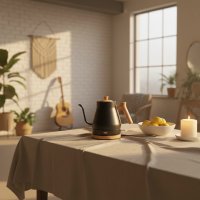
The humble electric kettle has long been a kitchen workhorse, but in recent years, it has transformed into a statement piece. Among the myriad of choices, the white electric kettle has undeniably risen as a design darling, blending seamlessly into contemporary interiors while offering unparalleled functionality. Here at Bppuc.com, with over a decade of hands-on experience and a passion for all things kettle, we understand that selecting the right one is about more than just boiling water—it’s about enhancing your daily ritual and your kitchen’s aesthetic.
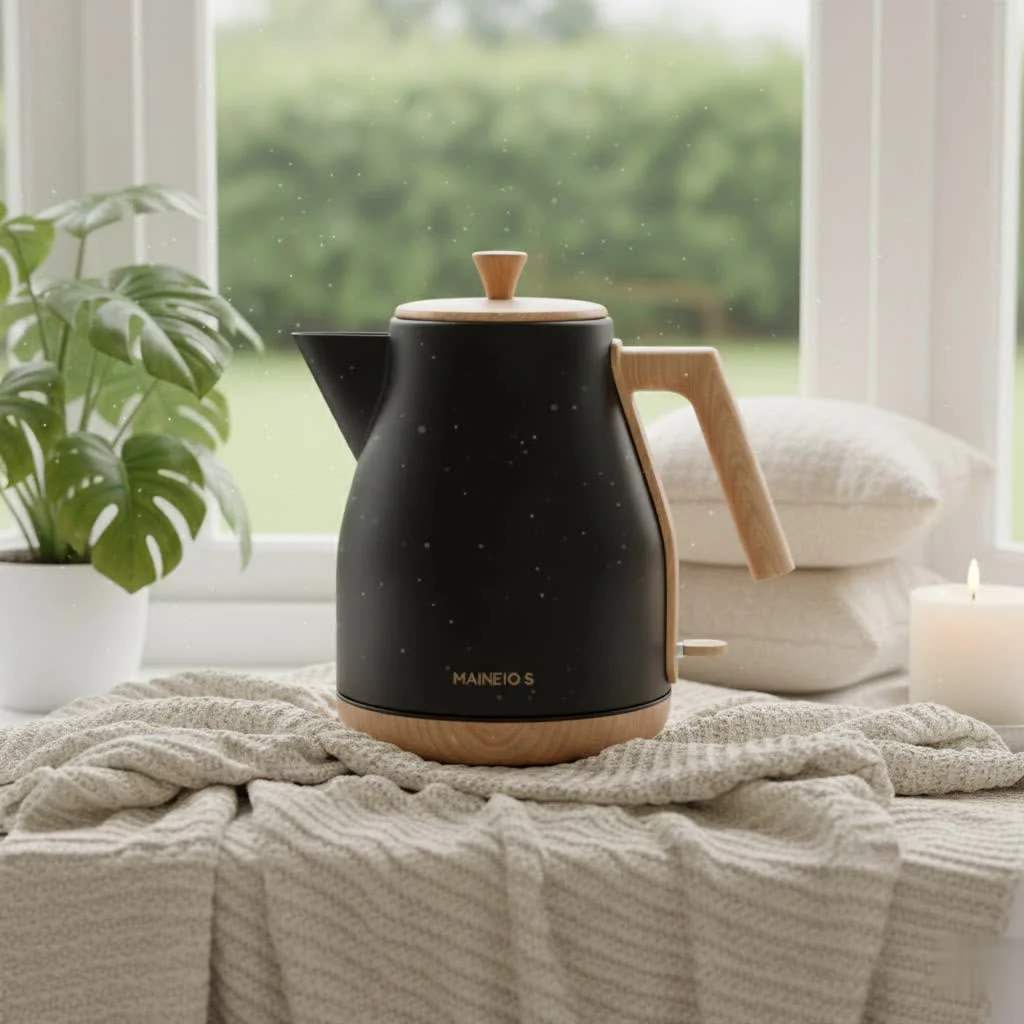
This guide will dive deep into why white electric kettles are more popular than ever, what makes them tick, how to choose the perfect one, and most importantly, how to keep your pristine white appliance gleaming and efficient for years to come.
The Allure of the White Electric Kettle: More Than Just a Pretty Face
A white electric kettle isn’t just a kitchen appliance; it’s a design choice. Its neutral, clean aesthetic offers incredible versatility, fitting effortlessly into minimalist, Scandinavian, modern farmhouse, or even eclectic kitchen styles. Beyond the color, white kettles come in a variety of types, each with its own charm and practical benefits.
You’ll find them in classic jug shapes, elegant pyramid designs, and precision-focused gooseneck models perfect for pour-over coffee. Materials vary widely, from lightweight, durable BPA-free plastic to sleek stainless steel, and even sophisticated borosilicate glass, often accented with white elements. The finish can range from high-gloss, reflecting light and adding a touch of sparkle, to trendy matte white, offering a soft, sophisticated, and modern feel. This variety ensures there’s a white electric kettle to match every taste and kitchen décor.
Why Go White? Pros and Cons of a White Electric Kettle
Opting for a white electric kettle brings a host of advantages, coupled with a few considerations to keep in mind.
The Bright Side: Pros of a White Kettle
- Timeless Aesthetics: White offers a clean, crisp look that never goes out of style. It brightens up your countertop, making your kitchen feel more spacious and inviting.
- Versatile Design Integration: Whether your kitchen is all white, features bold colors, or natural wood tones, a white kettle is a versatile accessory that complements almost any palette.
- Popular Features: Many white models come packed with sought-after features like rapid boil technology, automatic shut-off for safety, boil-dry protection, and precise temperature control, essential for brewing various teas and coffees.
- Modern Appeal: White appliances often exude a contemporary and minimalist vibe, aligning with popular interior design trends.
- Easy to Spot: Unlike darker appliances that can blend into the background, a white kettle stands out, making it easy to locate even in a busy kitchen.
The Other Side: Cons and Considerations
|
Our Picks for the Best Electric Kettle in 2026
As an Amazon Associate I earn from qualifying purchases.
|
||
| Num | Product | Action |
|---|---|---|
| 1 | Amazon Basics Electric Stainless Steel Kettle for Tea and Coffee, BPA-Free, Fast Boiling, Auto Shut-Off, 1.7 Liter, 1500W, Black and Silver |

|
| 2 | LONGSEED Ceramic Electric Kettle, 1.2L/1000W Boil Water Quickly and Easily,Boil-Dry Protection,Auto Shut Off, Detachable Swivel Base,Hot water kettle for Coffee & Tea |
|
| 3 | Longseed Ceramic Electric Kettle, 1.5 Liters/1200W Electric Tea Kettle, Heats Water Quickly, Automatic Shut - off, Boil - Dry Protection, Free Of BPA, Matte White |
|
| 4 | Cosori Electric Kettle, No Plastic Contact With Water, Wide Mouth For Easy Cleaning, Auto Shut Off, 1.7L Tea Kettle & Hot Water Boiler, Water Heater & Teapot, Borosilicate Glass, Black, 1500W |
|
| 5 | Cuisinart PerfecTemp 1.7-Liter Electric Kettle, Cordless Electric Tea Kettle, 1500W for Fast Heat-Up, 6 Preset Temperatures, 30-Minute Keep Warm, Stay Cool Nonslip Handle, CPK-17P1 |
|
| 6 | Amazon Basics Electric Kettle with Glass Carafe for Tea and Coffee, BPA-Free, Fast Boiling, Auto Shut-Off, 1.7 Liter, 1500W, Black and Silver |
|
| 7 | OVENTE Electric Kettle, 1.7L Fast Boiling Water Heater for Coffee or Tea, BPA Free with Water Level Gauge, Auto Shut-Off, Boil-Dry Protection, Indicator Light and Removable Filter, White KP72W |
|
| 8 | Chefman Electric Kettle with Temperature Control, 5 Presets LED Indicator Lights, Removable Tea Infuser, Glass Tea Kettle & Hot Water Boiler, 360° Swivel Base, BPA Free, Stainless Steel, 1.8 Liters |
|
| 9 | Amazon Basics Electric Kettle with Glass Carafe for Tea and Coffee, BPA-Free, Fast Boiling, Auto Shut-Off, 1 Liter, 1500W, Glass and Steel |
|
| 10 | Chefman Electric Kettle, 1.8L 1500W, Hot Water Boiler, Removable Lid for Easy Cleaning, Auto Shut Off, Boil-Dry Protection, Stainless Steel Filter, BPA Free, Borosilicate Glass Electric Tea Kettle |
|
- Visibility of Marks: While white looks stunning, it can show splashes, fingerprints, and minor scuffs more readily than darker colors. This means you might find yourself wiping it down more frequently.
- Potential for Discoloration: Cheaper plastic white kettles might, over extensive time, show slight yellowing, especially if exposed to direct sunlight or strong cooking fumes. Investing in quality materials can mitigate this.
- Limescale Contrast: If you have hard water and a clear glass white kettle, limescale buildup, while a common issue for all kettles, can appear more noticeable against the white base or internal elements. Regular descaling is key.
Choosing Your Perfect White Electric Kettle: What to Look For
Selecting the ideal white electric kettle involves a balance of aesthetics, functionality, and your specific needs. As Olivia Chen, our seasoned appliance evaluator at Bppuc.com, often advises, “The best white electric kettle seamlessly marries form and function, becoming an indispensable part of your daily routine.”
Capacity: Size Matters
Consider how much water you typically need. A small, 1-liter kettle is perfect for individuals or couples who only need a cup or two at a time. For families or those who frequently entertain, a 1.7-liter or larger model will be more suitable, saving you multiple trips to the tap.
Material: Beyond Just White
The material affects durability, heat retention, and even the purity of your water.
- Borosilicate Glass: Often combined with white accents, glass offers a clear view of the boiling process and ensures no plastic taste, making it a popular choice for health-conscious users. It’s resistant to temperature shock but can get hot to the touch.
- Stainless Steel: Known for its durability and quick heating. Many white kettles feature a white exterior coating over a stainless steel body, providing robust performance and a clean interior.
- BPA-Free Plastic: These kettles are typically lighter and more affordable. Ensure it’s certified BPA-free to avoid chemical leaching into your water.
Essential Features for Enhanced Experience
- Temperature Control: A must-have for tea and coffee aficionados. Different beverages require specific temperatures for optimal flavor. Look for preset buttons for green tea, white tea, oolong, black tea, and French press.
- Rapid Boil: Ideal for those busy mornings when every second counts. High wattage (1500W and above) generally means faster boiling.
- Automatic Shut-Off and Boil-Dry Protection: Crucial safety features that prevent the kettle from overheating once water boils or if it accidentally turns on empty.
- Keep-Warm Function: Allows the kettle to maintain your desired temperature for a certain period, perfect for multiple servings or busy mornings.
- Cordless Design: Most modern electric kettles are cordless, lifting off a 360-degree swivel base for easy pouring and serving.
- Water Window/Level Indicator: Helps you accurately fill the kettle, preventing overfilling or underfilling.
Design and Aesthetics: Making a Statement
Think about your kitchen’s overall theme. Do you prefer a sleek, minimalist design like the SAKI Luna or a retro-inspired look such as the Hazel Quinn? Matte finishes provide a contemporary edge, while glossy surfaces can feel more classic. A white kettle with wooden accents can add a touch of warmth and natural beauty.
Keeping Your White Kettle Pristine: Safety, Energy-Saving, and Cleaning
A white electric kettle not only demands attention with its looks but also benefits from proper care to ensure longevity and optimal performance.
Safety Tips: Boil with Confidence
- Heed the Max Fill Line: Never overfill your kettle, as boiling water can spill out and cause burns.
- Secure Placement: Always place the kettle on a stable, flat surface away from the edge of the counter and out of reach of children and pets.
- Cool-Touch Exterior: If available, a cool-touch exterior is a great safety feature, especially in households with children, as the outer surface remains cool even when water is boiling.
- Regular Inspections: Periodically check the cord and plug for any damage. Discontinue use if any issues are found.
Energy Saving: Smart Boiling Habits
- Boil Only What You Need: This is the simplest way to save energy. Boiling a full kettle when you only need one cup wastes electricity and time. Use the water level indicator for precision.
- Utilize Temperature Control: If your kettle has this feature, use it! Heating water to exactly 175°F for green tea is more energy-efficient than boiling it to 212°F every time.
- Keep Warm Wisely: While convenient, the keep-warm function continuously draws power. Use it sparingly or only when you know you’ll need hot water again very soon.
Cleaning and Maintenance: Keeping That White Gleam
To maintain the pristine appearance and efficiency of your white electric kettle, regular cleaning and descaling are essential. “Neglecting your kettle’s cleanliness can impact water taste and even its lifespan,” notes Dr. Benjamin Lee, a material science expert at Bppuc.com.
Exterior Cleaning
For the outside of your white kettle, simply wipe it down regularly with a soft, damp cloth. For more stubborn marks or grease splatters, a cloth dampened with a mild dish soap solution will do the trick. Always dry thoroughly with a soft, clean cloth to prevent water spots and maintain its luster.
Interior Cleaning and Descaling
Limescale, caused by mineral deposits in hard water, can build up inside your kettle, affecting its performance and the taste of your beverages. Descale your kettle once a month, or more frequently if you live in a hard water area.
-
The White Vinegar Method:
- Fill the kettle with one part distilled white vinegar and three parts water. For a 1-liter kettle, this might be 1/4 cup vinegar and 3/4 cup water.
- Bring the mixture to a boil and let it sit for at least 20 minutes, or even overnight for heavy buildup.
- Pour out the solution, then rinse the kettle thoroughly several times with fresh water.
- To remove any lingering vinegar smell or taste, fill the kettle with fresh water, boil, and discard it. Repeat this step twice.
-
The Lemon Juice/Citric Acid Method:
- Fill the kettle halfway with water and add 2 tablespoons of lemon juice or citric acid powder.
- Boil the mixture, then turn off the kettle and let it sit for about 20 minutes.
- Discard the mixture and rinse the kettle thoroughly. Wipe away any remaining deposits with a soft sponge if necessary.
-
The Baking Soda Method:
- Add 1 to 2 teaspoons of baking soda to your kettle, then fill it halfway with water.
- Boil the mixture, turn off the kettle, and let it sit for about 20 minutes.
- Rinse the kettle with water and gently scrub the bottom with a non-abrasive sponge or cloth. Rinse again to ensure all baking soda residue is removed.
Important Note: For glass kettles, avoid harsh commercial descalers, and stick to natural solutions like vinegar or citric acid to prevent damage.
Frequently Asked Questions About White Electric Kettles
Q1: Are white electric kettles hard to keep clean?
A: While white surfaces can show marks and splashes more easily than darker ones, they are generally easy to clean with a quick wipe-down. Regular exterior cleaning with a damp cloth and mild soap (if needed) will keep it looking pristine.
Q2: Do white plastic kettles yellow over time?
A: Cheaper plastic white kettles might show slight yellowing, especially if exposed to direct sunlight or cooking fumes. Investing in a high-quality model made with durable, UV-resistant plastics or other materials like glass or stainless steel with a white finish can prevent this.
Q3: What features should I prioritize in a white electric kettle?
A: Prioritize capacity based on your needs, safety features like auto shut-off and boil-dry protection, and material quality. If you brew different teas, temperature control is a highly recommended feature.
Q4: How often should I descale my white electric kettle?
A: It’s recommended to descale your electric kettle at least once a month, especially if you live in an area with hard water. This prevents mineral buildup, ensures optimal performance, and maintains water taste.
Q5: Can I use harsh chemicals to clean the exterior of my white kettle?
A: No, it’s best to avoid harsh abrasive cleaners or chemicals on the exterior of your white kettle, as they can damage the finish. A soft, damp cloth with a little dish soap is usually sufficient.
Q6: Are white electric kettles energy efficient?
A: Like all electric kettles, their energy efficiency depends on usage. You can maximize efficiency by only boiling the amount of water you need, using temperature control settings, and turning off the kettle promptly after use.
Conclusion
A white electric kettle is more than just a means to boil water; it’s a stylish, functional addition that elevates your kitchen’s aesthetic. From its versatile design appeal to its modern features, a well-chosen white kettle can truly enhance your daily routine. By understanding the types available, making informed choices based on your needs, and following simple safety, energy-saving, and cleaning guidelines, you’ll ensure your kettle remains a gleaming, efficient, and beloved appliance for many years to come. So, go ahead, choose the perfect white kettle and enjoy perfectly heated water with a touch of timeless elegance, courtesy of Bppuc.com.
Get our weekly buyer guide
Practical specs, not advice. Unsubscribe anytime.