Stepping into the modern kitchen, you’ll quickly realize that appliances are evolving to offer more than just basic functions. Among these, the humble electric kettle has undergone a significant transformation, giving rise to the sophisticated temp control electric kettle. This isn’t just about boiling water; it’s about perfecting your favorite hot beverages, enhancing flavor, and optimizing energy use. For anyone serious about their tea, coffee, or even baby formula, understanding this smart appliance is a game-changer. As a seasoned expert with over a decade in the field, and your trusted guide at Bppuc.com, I’m here to demystify everything you need to know about these innovative kettles.
What is a Temp Control Electric Kettle and Why You Need One?
At its core, a temp control electric kettle is an electric kettle that allows you to select a specific water temperature, rather than simply boiling water to 100°C (212°F). Standard kettles offer an “on” or “off” setting, always aiming for a rolling boil. While that’s perfectly fine for some uses, many beverages and foods demand precise heat to unlock their optimal flavor and benefits. For more electric kettles guides on this site.
Why exactly do you need one? Imagine brewing delicate green tea with boiling water – it often tastes bitter and astringent. Or perhaps you’re preparing baby formula, where water that’s too hot can destroy essential nutrients. A temperature control kettle solves these dilemmas by offering a range of settings, typically from 40°C (104°F) up to 100°C (212°F), letting you hit that sweet spot every single time. This precision brewing isn’t just about taste; it’s about convenience, safety, and even energy efficiency.
Types of Temp Control Electric Kettles
Not all temp control kettles are created equal. They come with varying features, designs, and materials, each catering to different needs and preferences. Understanding the distinctions will help you pinpoint the perfect appliance for your kitchen.
Control Mechanisms and Temperature Precision
Some models offer basic preset temperatures, with dedicated buttons for common drinks like “Green Tea” (around 80°C/175°F), “Coffee” (90-95°C/195-205°F), and “Boil” (100°C/212°F). Others provide more granular control, allowing you to adjust the temperature in 1-degree or 5-degree increments across a wide range, often displayed on an LCD or OLED screen. The latter is ideal for true connoisseurs who demand exactness.
Spout Design: Gooseneck vs. Traditional
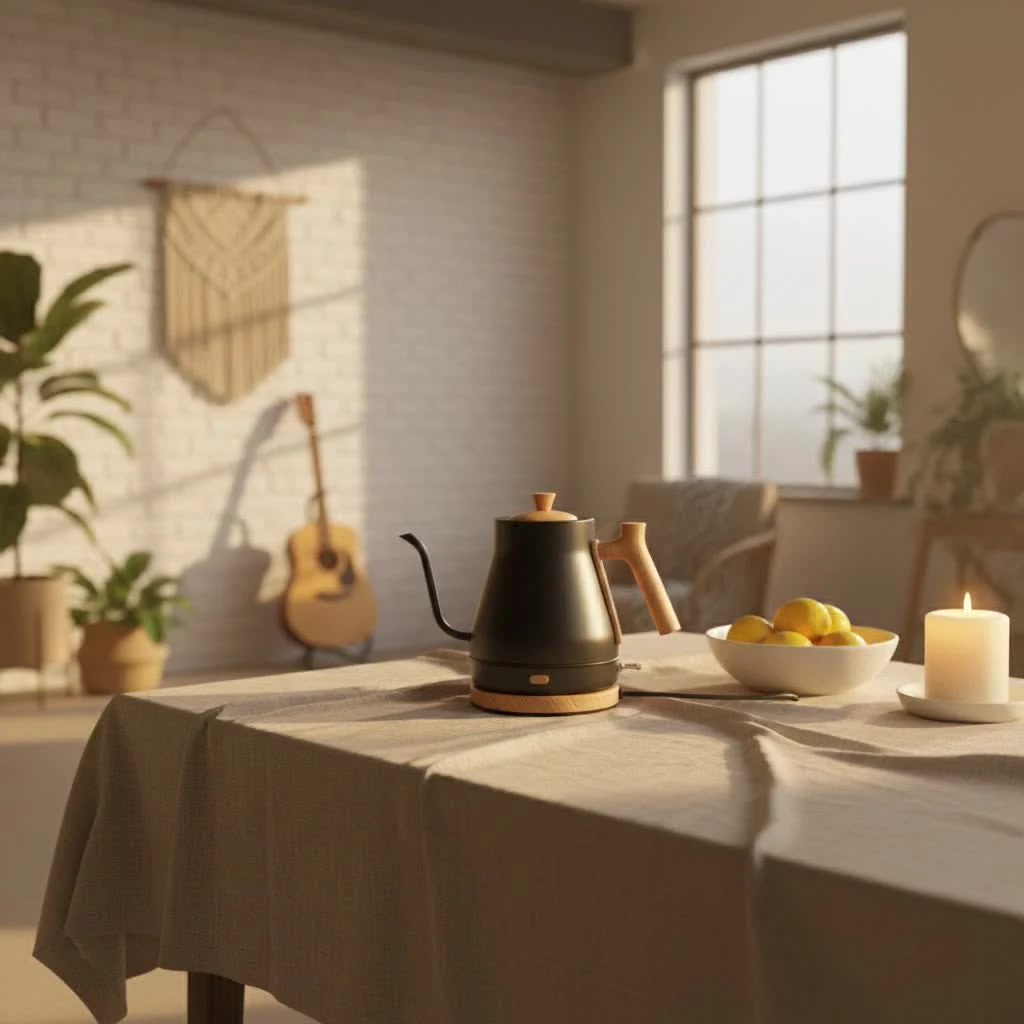
While most electric kettles feature a traditional pour spout suitable for general use, many temp control electric kettle models, especially those favored by coffee enthusiasts, come with a gooseneck spout. This long, slender spout provides exceptional control over the water flow, making it indispensable for pour-over coffee methods where a slow, steady, and precise pour is crucial for even saturation of coffee grounds.
Material Matters
|
Our Picks for the Best Electric Kettle in 2026
As an Amazon Associate I earn from qualifying purchases.
|
||
| Num | Product | Action |
|---|---|---|
| 1 | Chefman Electric Kettle, 1.8L 1500W, Hot Water Boiler, Removable Lid for Easy Cleaning, Auto Shut Off, Boil-Dry Protection, Stainless Steel Filter, BPA Free, Borosilicate Glass Electric Tea Kettle |

|
| 2 | OVENTE Electric Kettle, 1.7L Fast Boiling Water Heater for Coffee or Tea, BPA Free with Water Level Gauge, Auto Shut-Off, Boil-Dry Protection, Indicator Light and Removable Filter, White KP72W |
|
| 3 | Cosori Electric Kettle, No Plastic Contact With Water, Wide Mouth For Easy Cleaning, Auto Shut Off, 1.7L Tea Kettle & Hot Water Boiler, Water Heater & Teapot, Borosilicate Glass, Black, 1500W |
|
| 4 | Amazon Basics Electric Stainless Steel Kettle for Tea and Coffee, BPA-Free, Fast Boiling, Auto Shut-Off, 1.7 Liter, 1500W, Black and Silver |
|
| 5 | Amazon Basics Electric Kettle with Glass Carafe for Tea and Coffee, BPA-Free, Fast Boiling, Auto Shut-Off, 1 Liter, 1500W, Glass and Steel |
|
| 6 | Amazon Basics Electric Kettle with Glass Carafe for Tea and Coffee, BPA-Free, Fast Boiling, Auto Shut-Off, 1.7 Liter, 1500W, Black and Silver |
|
| 7 | Chefman Electric Kettle with Temperature Control, 5 Presets LED Indicator Lights, Removable Tea Infuser, Glass Tea Kettle & Hot Water Boiler, 360° Swivel Base, BPA Free, Stainless Steel, 1.8 Liters |
|
| 8 | Longseed Ceramic Electric Kettle, 1.5 Liters/1200W Electric Tea Kettle, Heats Water Quickly, Automatic Shut - off, Boil - Dry Protection, Free Of BPA, Matte White |
|
| 9 | Cuisinart PerfecTemp 1.7-Liter Electric Kettle, Cordless Electric Tea Kettle, 1500W for Fast Heat-Up, 6 Preset Temperatures, 30-Minute Keep Warm, Stay Cool Nonslip Handle, CPK-17P1 |
|
| 10 | LONGSEED Ceramic Electric Kettle, 1.2L/1000W Boil Water Quickly and Easily,Boil-Dry Protection,Auto Shut Off, Detachable Swivel Base,Hot water kettle for Coffee & Tea |
|
The material of your kettle impacts durability, heat retention, and aesthetics:
- Stainless Steel: A popular choice for its durability, rust resistance, and ease of cleaning. Many stainless steel models are double-walled, offering better insulation to keep water hot longer and improving energy efficiency.
- Glass: Offers an elegant, modern look and allows you to watch the water boil, which some find therapeutic. However, glass kettles are more fragile and generally don’t retain heat as well as double-walled stainless steel.
- Plastic: Typically the most affordable and lightweight option, but can raise concerns about durability and potential chemical leaching (look for BPA-free models). While some plastic models offer temperature control, they are less common in the premium segment.
“A temperature control electric kettle isn’t just about hot water; it’s about unlocking the full potential of your beverages. The precision it offers transforms a simple drink into an experience, ensuring every cup is brewed to perfection while optimizing energy use,” says Dr. Elara Vance, Senior Appliance Engineer at TechInnovate Solutions.
The Perks and Pitfalls: Pros and Cons of Temp Control Electric Kettles
Deciding whether a temp control electric kettle is right for you involves weighing its numerous benefits against a few potential drawbacks.
The Advantages (Pros)
- Precision Brewing for Unrivaled Flavor: This is arguably the biggest advantage. Different teas (green, white, oolong, black) and coffees (French press, pour-over) have ideal brewing temperatures. A temperature control kettle ensures you hit these, bringing out the subtle notes and aromas without scalding delicate leaves or grounds. For example, green tea often tastes best between 70-80°C (158-176°F), while black tea can handle 95-100°C (203-212°F).
- Enhanced Energy Efficiency: Why boil water to 100°C if you only need 80°C? By heating water only to the desired temperature, these kettles consume less electricity. Many models also feature a “keep warm” function, maintaining the set temperature for an extended period, saving you from re-boiling and thus further conserving energy.
- Faster Heating Times: Modern electric kettles, especially those with higher wattage, are designed to heat water rapidly. This means less waiting for your morning brew or instant meal.
- Versatility Beyond Beverages: A temp control electric kettle isn’t just for tea and coffee. It’s perfect for preparing baby formula at a safe, specific temperature, making instant noodles or soups, or even quickly thawing frozen foods with warm water.
- Advanced Safety Features: Most quality models include essential safety mechanisms like automatic shut-off once the desired temperature is reached or when the kettle is empty (boil-dry protection), preventing overheating and potential hazards.
- Unmatched Convenience: The “keep warm” function is a standout feature, allowing you to walk away and come back to perfectly heated water, ideal for multiple cups of tea or coffee throughout the morning. Some even offer programmable settings to start heating at a scheduled time.
Considerations (Cons)
- Higher Initial Cost: Compared to basic “boil-only” electric kettles, models with temperature control typically come with a higher price tag due to their advanced features and technology. However, the energy savings and enhanced brewing experience often justify this investment over time.
- Perceived Complexity: While many interfaces are intuitive, some users might find the array of buttons, dials, and digital displays more complicated than a simple on/off switch. This learning curve is usually minimal, but it’s a factor for those who prefer extreme simplicity.
- Regular Maintenance: Like all kettles, temp control electric kettles are susceptible to limescale buildup, especially in hard water areas. While not a unique downside, regular descaling is crucial to maintain efficiency and longevity, and ignoring it can impact performance and taste.
How to Choose the Right Temp Control Electric Kettle for You
Selecting the perfect temp control electric kettle involves more than just picking a pretty design. It’s about matching features to your lifestyle and brewing habits.
Essential Features to Look For
- Temperature Range and Increments: Look for a kettle that offers a wide temperature range, typically from 40°C (104°F) to 100°C (212°F). Consider whether you need precise 1-degree increments or if presets (e.g., 5-degree intervals) are sufficient for your needs. Dedicated presets for specific teas or coffee types can be incredibly convenient.
- Control Interface: This can make or break your user experience. Dials are often praised for their intuitive simplicity, allowing you to quickly select and set temperatures. Button-based control panels, especially those located on the base rather than the handle, can also be efficient if clearly labeled and easy to understand. Avoid overly complex or finicky button layouts.
- Keep-Warm Functionality: How long do you need your water to stay hot? Many kettles offer a keep-warm function for 30-60 minutes, while some advanced models can maintain temperature for up to 12 hours. Check if this feature activates automatically or requires a separate button press.
- Material and Capacity:
- Capacity: For single users or small households, 1 to 1.2 liters might be sufficient. Larger families or avid entertainers might prefer 1.5 to 1.7 liters.
- Material: Stainless steel offers durability and often better heat retention (especially double-walled designs). Glass provides visual appeal but can be more fragile.
- Wattage: Higher wattage (e.g., 1500W to 3000W) generally means faster boiling times. If speed is a priority for your busy mornings, opt for a kettle with higher power.
- Safety Features: Ensure the kettle has essential safety features like automatic shut-off and boil-dry protection. These are standard on most reputable models but always worth confirming.
- Design & Aesthetics: While functional, the look of your kettle matters. Consider gooseneck spouts for pour-over coffee, illuminated water gauges for easy visibility, and an overall design that complements your kitchen decor.
Questions to Ask Yourself Before Buying
- What beverages do I primarily make? If it’s mostly black tea, a basic “boil” kettle might suffice, but for green tea, specialty coffee, or baby formula, precise temperature control is a must.
- How many people will use it? This determines the ideal capacity.
- What’s my budget? Set a realistic budget, understanding that feature-rich temp control electric kettle models typically cost more.
- What design aesthetic do I prefer? Modern stainless steel, classic retro, or sleek glass?
Maximizing Your Temp Control Electric Kettle: Safety Tips and Energy Savings
Owning a temp control electric kettle is fantastic, but getting the most out of it involves understanding safe usage and smart energy-saving practices.
Safe Usage Practices
- Never Overfill: Always adhere to the maximum fill line indicated inside the kettle. Overfilling can lead to boiling water spilling out, causing burns or electrical hazards.
- Keep Away from Water-Sensitive Appliances: Place your kettle on a stable, heat-resistant surface, away from other electronics or outlets where steam could cause damage.
- Always Use on a Flat, Stable Surface: This prevents tipping and potential spills of hot water.
- Regularly Inspect for Damage: Before each use, quickly check the cord, plug, and kettle body for any signs of wear, cracks, or damage. Discontinue use if you find any issues.
- Ensure Proper Ventilation: Allow steam to escape freely, especially if placing the kettle under cabinets, to prevent moisture damage.
- Never Submerge the Base: The electrical base should never come into contact with water. Wipe it clean with a damp cloth if needed.
Energy-Saving Hacks
- Heat Only the Water You Need: This is the simplest and most effective way to save energy. Heating 500ml of water to 80°C uses significantly less energy than boiling 1.7 liters to 100°C.
- Utilize the Keep-Warm Function Wisely: If you plan on having multiple cups within a short period, using the “keep warm” function is more energy-efficient than re-boiling the kettle repeatedly. However, for a single cup, it’s best to let the kettle shut off.
- Descale Regularly for Efficiency: Limescale buildup acts as an insulator, forcing your kettle to work harder and consume more energy to heat water. Regular descaling ensures your kettle operates at peak efficiency.
- Unplug When Not in Use: Even in standby mode, some appliances draw a small amount of “phantom” power. Unplugging your temp control electric kettle when not in use ensures zero energy consumption.
Keeping Your Kettle Pristine: Cleaning and Maintenance for Longevity
To ensure your temp control electric kettle continues to perform optimally and provide clean-tasting water for years, regular cleaning and maintenance are key. The main enemy? Limescale.
Regular Cleaning Steps
- Exterior: For general cleaning, simply wipe the exterior of your kettle with a soft, damp cloth. For stainless steel models, a microfiber cloth can help prevent streaks. Avoid abrasive cleaners that could damage the finish or control panel.
- Removable Filter: Many kettles have a removable mesh filter at the spout to catch limescale particles. Remove and rinse this filter under running water, gently scrubbing with a soft brush if necessary.
Descaling Your Temp Control Electric Kettle
Descaling should be done regularly, especially if you live in an area with hard water. You’ll notice limescale buildup as white, chalky deposits inside the kettle, or if your kettle starts heating water more slowly or making more noise.
-
When to Descale:
- Light buildup: Every 1-2 months.
- Heavy buildup/Hard water areas: Every 2-4 weeks.
-
Methods for Descaling: Always consult your kettle’s manual first, as some manufacturers may have specific recommendations or warnings.
-
Using Citric Acid (Recommended for thorough descaling):
- Fill your temp control electric kettle to its maximum capacity with cold water.
- Add 2 tablespoons of food-grade citric acid powder. You can find this in the baking aisle or online.
- Close the lid and press the boil button, allowing the water-citric acid solution to go through a full boil cycle.
- Once boiled, unplug the kettle and let the solution sit for 15-30 minutes (or longer for very heavy buildup). You should see the limescale dissolving.
- Carefully pour out the citric acid solution.
- Rinse the interior of the kettle thoroughly several times with fresh cold water to remove any trace of citric acid.
- Fill the kettle to max capacity with fresh cold water again and boil. Pour this water out. Repeat this rinse-and-boil step twice to ensure all residue is gone and the water tastes clean.
- Important: Never submerge the kettle in water or let water touch electrical components during cleaning.
-
Using White Vinegar (Good for light buildup):
- Fill your kettle halfway with equal parts white vinegar and water.
- Bring the mixture to a boil.
- Unplug the kettle and let the solution sit for at least 30 minutes, or even a few hours for stubborn deposits.
- Pour out the vinegar solution.
- Rinse the kettle interior thoroughly with fresh water, then fill and boil with plain water twice to eliminate any lingering vinegar smell or taste.
-
FAQ
-
Q: Is a temp control electric kettle worth the extra cost?
A: Absolutely, for anyone who enjoys a variety of hot beverages or needs specific water temperatures for food preparation. The improved flavor, energy savings, and added convenience often justify the initial investment over a standard kettle. -
Q: What’s the best temperature for green tea?
A: Green tea is delicate and typically brews best between 70-80°C (158-176°F) to prevent bitterness. Using a temp control electric kettle ensures you don’t scald the leaves and enjoy a smoother, more flavorful cup. -
Q: Can I put milk in my temp control electric kettle?
A: No, electric kettles are designed only for heating water. Putting milk or other liquids can cause residue buildup, damage the heating element, or pose a fire hazard. For heating milk, use a saucepan or a dedicated milk frother. -
Q: How often should I descale my kettle?
A: For regular use, descaling every 1-2 months is a good practice. If you live in an area with very hard water or use your kettle frequently, you might need to descale every 2-4 weeks to maintain efficiency and water taste. -
Q: Are glass temp control kettles safe?
A: Yes, glass kettles from reputable brands are designed to be safe and withstand high temperatures. They offer a stylish look and the ability to watch water boil, though they can be more fragile than stainless steel and may not retain heat as efficiently. -
Q: What wattage is best for fast heating?
A: For rapid heating, look for a temp control electric kettle with a wattage of 1500W or higher, with some powerful models reaching up to 3000W. Higher wattage generally translates to quicker boiling times.
Conclusion
The temp control electric kettle is far more than just a kitchen gadget; it’s an essential tool for unlocking the full potential of your hot beverages and streamlining your daily routine. From brewing the perfect cup of delicate white tea to ensuring baby formula is just right, its precision, efficiency, and safety features make it an indispensable appliance. By understanding the different types, knowing what to look for, and following simple maintenance tips, you can confidently choose and use a temp control electric kettle that elevates your everyday experience. Make the switch, explore the world of perfectly heated water, and never look back!
Get our weekly buyer guide
Practical specs, not advice. Unsubscribe anytime.